
Views: 0 Author: Site Editor Publish Time: 2025-09-25 Origin: Site
In the era of rapid industrialization and urban expansion, the demand for electricity has skyrocketed to unprecedented levels. Mega-scale power projects such as cross-country transmission systems, offshore wind farms, and smart grids require infrastructure capable of carrying massive amounts of power safely and efficiently. At the heart of this infrastructure lies one critical component: extra high voltage (EHV) power cables.
These cables, typically operating above 220 kV, are engineered to handle enormous electrical loads across long distances while minimizing losses. Their development represents a blend of advanced engineering, material science, and precision manufacturing—making them indispensable in modern energy distribution networks.
An EHV cable is designed to transmit bulk electricity over hundreds of kilometers with minimal loss. Unlike low- and medium-voltage cables used in residential or commercial settings, EHV cables are highly specialized, incorporating multiple layers of insulation, shielding, and protection.
Key characteristics include:
High Voltage Rating: Typically ranging from 220 kV up to 765 kV or higher.
Robust Insulation: Cross-linked polyethylene (XLPE) or oil-impregnated paper insulation ensures safety and reliability.
Sheathing and Shielding: Layers of metallic and non-metallic sheaths protect against mechanical stress, moisture, and electromagnetic interference.
Durability: Designed to withstand harsh conditions, from underground installations to offshore environments.
EHV cables are not just conduits for electricity; they are engineered lifelines enabling energy security for nations and industries.
One of the most critical roles of Extra High Voltage (EHV) cables is enabling the transfer of electricity across vast distances with minimal losses. Traditional transmission methods often face efficiency challenges, especially when delivering power from remote generation sites to densely populated consumption hubs. EHV cables, by operating at voltages above 220kV, significantly reduce resistance and transmission losses, making it possible to move large amounts of energy efficiently.
For example, hydropower plants located in mountainous regions or far inland produce renewable electricity but are often situated hundreds of kilometers away from urban centers. Similarly, offshore wind farms, which are increasingly deployed in deep waters to capture stronger and more consistent wind patterns, must deliver energy to cities located far inland.
As the global energy transition accelerates, renewable energy sources are expanding at unprecedented rates. EHV cables are indispensable in this transformation because they make large-scale renewable projects feasible by connecting them to national and regional grids.
Offshore wind power provides a striking example. Modern offshore wind farms can span hundreds of square kilometers, hosting hundreds of turbines that collectively generate gigawatts of electricity. To integrate this energy into the onshore grid, submarine EHV cables must carry the power over long underwater distances. These cables are engineered to withstand challenging conditions, including water pressure at great depths, mechanical stresses during installation, and long-term exposure to saltwater corrosion.
In modern mega-cities, where populations exceed ten million people, the demand for reliable and uninterrupted electricity is enormous. Electricity powers everything from public transportation networks and hospitals to data centers and telecommunications infrastructure. Even short disruptions can cause cascading effects on safety, productivity, and daily life. EHV cables play a pivotal role in sustaining these systems by enabling high-capacity underground or submarine transmission lines that deliver electricity seamlessly into urban cores.
Unlike overhead transmission lines, which require vast land corridors and can create visual and environmental concerns, EHV underground cables save space and reduce land-use conflicts.
While EHV cables deliver unmatched performance, their deployment involves significant challenges:
Installation Complexity: Underground and submarine installations require advanced engineering, trenching, and specialized vessels.
Heat Dissipation: Carrying high loads generates substantial heat. Effective insulation and cable design are critical to prevent overheating.
Mechanical Stress: Submarine cables face pressure, currents, and abrasion, requiring durable armor and protective coatings.
Cost and Logistics: EHV projects involve large investments, specialized equipment, and skilled labor, making them capital-intensive.
Despite these challenges, advancements in manufacturing and materials continue to improve reliability and reduce costs, driving wider adoption.
Modern EHV cables increasingly use XLPE insulation, offering better thermal performance, longer life expectancy, and reduced maintenance compared to traditional oil-impregnated paper systems.
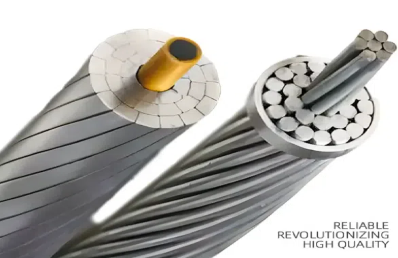
Aluminum alloy conductors, often reinforced with steel or carbon composites, balance conductivity, weight, and durability. Innovations in conductor design allow higher capacity while reducing line losses.
Smart sensors embedded in cables now provide real-time data on temperature, load, and insulation health. These monitoring systems enhance predictive maintenance, reducing downtime and preventing catastrophic failures.
Manufacturers are adopting recyclable materials and low-impact manufacturing processes to align with global sustainability goals. Submarine EHV cables designed for offshore wind farms also integrate corrosion-resistant materials to extend service life.
China’s Ultra-High Voltage Projects: China has pioneered large-scale EHV projects to transmit electricity from western hydropower stations to eastern megacities, significantly reducing regional disparities in energy availability.
Europe’s Offshore Wind Networks: Countries like Germany and the UK use EHV submarine cables to connect offshore wind farms to national grids, supporting ambitious renewable energy targets.
India’s Grid Expansion: To meet growing urban demand, India is investing in EHV underground cable systems that enhance reliability while preserving urban aesthetics.
These real-world applications demonstrate how EHV cables are integral to future-ready energy systems.
Although EHV cable projects involve high upfront costs, they deliver long-term savings by reducing transmission losses, minimizing power outages, and lowering maintenance requirements.
By enabling large-scale renewable integration, EHV cables help reduce carbon emissions and reliance on fossil fuels. Their role in renewable transmission aligns with global commitments to combat climate change.
EHV infrastructure reduces dependency on localized power plants by allowing electricity to be transported from diverse sources, strengthening grid resilience against natural disasters or supply disruptions.
The demand for EHV cables is set to grow as global power consumption rises and clean energy integration accelerates. Future innovations may include:
Higher Voltage Ratings exceeding 1,000 kV for ultra-long transmission lines.
Improved Submarine Technologies to support deeper and longer offshore connections.
AI-Driven Monitoring Systems for predictive diagnostics and enhanced efficiency.
These advancements will reinforce EHV cables’ role as the backbone of mega-scale power projects worldwide.
Extra high voltage cables represent more than just engineering achievements; they are enablers of sustainable development, urban growth, and global energy security. From powering megacities to connecting offshore wind farms, they ensure that electricity flows reliably where it is needed most.
As the world continues to embrace renewable energy and smart infrastructure, the importance of EHV cables will only increase. Their ability to meet the challenges of mega-scale power projects underscores their critical role in shaping the future of energy transmission.
For businesses, utilities, and project developers seeking reliable solutions in power infrastructure, collaborating with trusted cable manufacturers is essential. To explore advanced power cable solutions, including extra high voltage options, you can visit www.rrhcable.com to learn more about tailored products and services.
