
Views: 0 Author: Site Editor Publish Time: 2025-11-17 Origin: Site
In the modern era of smart infrastructure, the pursuit of energy efficiency has become a defining factor in how buildings are designed, constructed, and operated. From intelligent lighting systems to automated HVAC controls, every component of a smart building contributes to a more sustainable and efficient environment. Among these components, one of the most crucial yet often overlooked elements is low voltage cable.
Low voltage cables are the nervous system of modern smart buildings. They power communication networks, sensors, automation devices, and control systems that ensure seamless operation while minimizing energy consumption.
Low voltage cables are electrical conductors designed to carry voltages below 1,000 volts AC (or 1,500 volts DC). They are commonly used for data transmission, control systems, lighting circuits, and security applications. Unlike high voltage cables that transport power from generation sources, low voltage cables distribute energy to end-user systems and devices, ensuring safe and efficient operation.
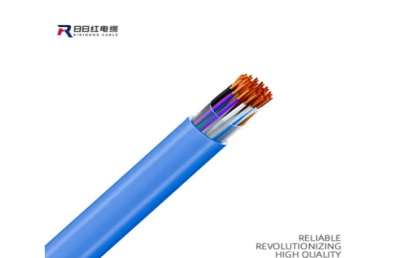
These cables typically feature multiple layers of insulation and shielding to prevent signal interference, improve conductivity, and ensure durability. Common types include control cables, communication cables, instrumentation cables, and data cables.
In smart buildings, these cables connect the core infrastructure—lighting systems, automation panels, sensors, and monitoring devices—forming the foundation of an energy-efficient ecosystem.
Low voltage systems are designed to operate efficiently with minimal power loss. They support energy-saving technologies like LED lighting, building management systems (BMS), and occupancy sensors, which rely on accurate, real-time communication.
Here’s how low voltage cabling enhances energy efficiency across various systems:
Low voltage cables ensure that power is distributed precisely where it’s needed, reducing transmission losses. Because these cables operate at lower voltages, they generate less heat and minimize energy waste due to resistance.
Smart buildings rely on interconnected systems for automated lighting, climate control, and equipment scheduling. Low voltage cables transmit the signals that enable these systems to function harmoniously, automatically adjusting energy consumption based on occupancy, daylight, or temperature data.
Low voltage networks also facilitate the integration of renewable energy sources such as solar panels or small wind turbines. They allow for safe, efficient transmission of power from distributed sources to local circuits, optimizing energy use and promoting sustainability.
In traditional wiring setups, energy loss often occurs through inefficient data transmission. Modern low voltage cables, particularly shielded twisted pairs and fiber optic hybrids, ensure minimal signal degradation, supporting high-speed data exchange with negligible power draw.
Low voltage cables are indispensable across multiple systems within smart buildings. From lighting and climate control to communication and safety, these cables ensure operational efficiency while supporting sustainability goals.
LED lighting networks rely heavily on low voltage cables for both power and data transmission. Smart lighting systems, for instance, use CAT6 or control cables to connect motion detectors, daylight sensors, and dimming modules. These connections enable automated adjustments—such as dimming lights when natural sunlight is sufficient—significantly reducing electricity use. Furthermore, low voltage cables make it easier to segment lighting zones and integrate with central management platforms, ensuring precise control over energy distribution.
Heating, ventilation, and air conditioning (HVAC) systems are among the largest energy consumers in commercial buildings. Low voltage cables connect thermostats, actuators, pressure sensors, and dampers to centralized controllers that intelligently regulate airflow and temperature. For example, in unoccupied zones, the system can automatically reduce heating or cooling, while maintaining comfort in active areas. This targeted approach not only conserves energy but also extends equipment lifespan by reducing wear from unnecessary operation.
Security systems—including access control, CCTV cameras, and alarm systems—are typically powered through low voltage networks. The adoption of Power over Ethernet (PoE) technology allows these devices to receive both power and data through the same cable, simplifying installation and reducing energy loss associated with multiple wiring systems. In addition, centralized monitoring made possible by low voltage cabling ensures that systems operate only when needed, further improving energy efficiency.
Fire alarms, smoke detectors, and emergency communication systems depend on low voltage cables to transmit critical signals reliably and quickly. High-quality cabling minimizes voltage drops and interference, ensuring prompt alerts during emergencies. Because these systems often run continuously, using low voltage wiring reduces energy consumption while maintaining high reliability and compliance with safety standards.
The backbone of any smart building lies in its communication infrastructure. Structured cabling systems—using Category 5e, 6, or 7 low voltage cables—enable high-speed internet, telephony, and IoT device communication. These cables maintain signal integrity across long distances while consuming less power than traditional systems. Furthermore, they enable real-time data collection and transmission that supports advanced analytics and energy management, allowing building operators to identify inefficiencies and adjust systems accordingly.
In summary, low voltage cables do more than connect devices—they enable the intelligent, data-driven ecosystems that make smart buildings energy efficient, reliable, and sustainable.
Energy efficiency is a core element of green building certification programs like LEED, BREEAM, and WELL Building Standard. Low voltage cable systems directly support these sustainability goals in several ways.
Low voltage systems minimize resistive power losses, translating to reduced overall energy consumption. This contributes to lower carbon emissions and reduced operating costs.
High-quality cables with durable insulation and corrosion-resistant conductors require less maintenance and replacement. This extends the building’s system life cycle and reduces resource waste.
Modern buildings require adaptability to evolving technologies. Low voltage cabling systems can easily integrate new IoT sensors or automation devices without major rewiring, ensuring long-term energy optimization.
Low voltage networks enable continuous data collection from smart systems, allowing facility managers to analyze patterns and make data-driven decisions. For example, identifying underutilized areas helps reduce unnecessary lighting or HVAC use.
To fully harness the benefits of low voltage cables in smart buildings, proper system design and installation are essential.
Choosing the correct cable type ensures efficient energy transmission and data integrity. Key factors include:
Conductor material: Copper provides superior conductivity, while aluminum offers cost efficiency.
Insulation type: PVC, LSZH (Low Smoke Zero Halogen), and PE insulation vary in flame resistance and flexibility.
Shielding: Shielded cables protect against electromagnetic interference, vital in data-heavy smart environments.
Low voltage and high voltage cables should be routed separately to prevent signal interference. Cable trays, conduits, and labeling ensure organized installations and easier maintenance.
Long cable runs can cause voltage loss. To counter this, engineers should use appropriate conductor sizes and limit unnecessary cable length to maintain power efficiency.
After installation, all cabling systems should undergo insulation resistance testing, continuity testing, and certification per standards like IEC 60332 or BS 7671. Proper testing ensures performance reliability and compliance with safety codes.
When connected to a BMS, low voltage cables transmit real-time data on power usage, lighting, temperature, and occupancy. This integration allows automated optimization and fault detection, maximizing operational efficiency.
The rapid evolution of smart buildings has driven technological advancements in low voltage cables:
PoE technology allows power and data to flow through a single Ethernet cable, reducing the need for additional wiring and significantly improving energy management efficiency.
Manufacturers now produce low voltage cables with halogen-free, flame-retardant materials, reducing toxic emissions during fire and enhancing occupant safety.
Hybrid designs combine fiber optics with electrical conductors, enabling high-speed communication alongside power transmission—ideal for smart lighting and building automation systems.
Some modern systems integrate AI-based monitoring to detect cable degradation, temperature fluctuations, or power loss. Predictive maintenance ensures reliability and reduces unplanned energy waste.
Investing in a well-designed low voltage cabling infrastructure yields both financial and environmental benefits:
Lower Operating Costs: Energy-efficient cabling systems reduce power consumption across lighting, HVAC, and communication networks.
Reduced Carbon Footprint: Improved energy utilization contributes directly to sustainability goals.
Enhanced Occupant Comfort: Intelligent systems powered by low voltage cables create responsive environments—improving comfort while conserving energy.
Increased Property Value: Smart buildings with advanced energy infrastructure attract eco-conscious tenants and meet stricter green regulations.
Low voltage cables may not be the most visible element of a smart building, but they are among the most vital. By powering communication, control, and automation systems, they form the foundation of energy efficiency and sustainability. Whether optimizing lighting networks, connecting HVAC controls, or enabling renewable energy integration, these cables ensure that every watt of energy is used intelligently.
For building designers, contractors, and facility managers seeking reliable and efficient cabling solutions, it’s essential to work with experienced manufacturers who understand the demands of smart infrastructure.
To explore high-quality low voltage cable solutions designed for energy-efficient smart buildings, visit www.rrhcable.com. www.rrhcable.com. offers a comprehensive range of durable, safe, and high-performance cable products—tailored to support the next generation of sustainable construction projects.
