
Views: 0 Author: Site Editor Publish Time: 2026-01-09 Origin: Site
Communication cables are essential for data transmission in modern systems. Yet, electromagnetic interference (EMI) can disrupt signal clarity. In this article, we'll explore how communication cables are designed to resist interference and maintain signal integrity. You'll discover how cables manage EMI to ensure reliable data transfer in diverse environments.
Electromagnetic interference (EMI) refers to the disturbance that disrupts the normal operation of electrical circuits. It is caused by external electromagnetic fields that induce unwanted currents in the cable, leading to signal degradation. Common sources of EMI include electrical motors, power lines, and wireless devices. EMI can affect communication cables, reducing the quality and reliability of the transmitted signal.
Different types of interference impact signal transmission to varying degrees. By understanding the specific effects of each type of interference and how to mitigate them, effective technical solutions can be implemented to minimize the impact on signal transmission. The table below provides a detailed comparison of common types of interference, their effects, and applicable countermeasures.
| Interference Type | Description | Impact | Mitigation Measures | Technical Specifications | Considerations |
|---|---|---|---|---|---|
| Electromagnetic Interference (EMI) | External electromagnetic fields causing disruption in electronic devices. | Data loss, reduced transmission speed, signal distortion | Use shielding, isolating cables, enhance grounding | Shielding materials: Copper braid, Aluminum foil | Select shielding material based on needs, ensure proper grounding |
| Radio Frequency Interference (RFI) | High-frequency radiation from wireless devices affecting cable signals. | Signal distortion, frequency overlap, communication breakdown | Use RFI-resistant cables, add filters | Frequency range: High-frequency, up to 1 GHz | Isolate high-frequency devices, avoid interference sources |
| Electrostatic Interference (ESI) | Disruptions caused by electrostatic discharge (ESD), common in dry environments. | Signal distortion, data interruption, device damage | Use anti-static materials, electrical isolation | Electrical isolation: Below 100Ω | Ensure the functionality of anti-static devices, check regularly |
| Magnetic Interference | Magnetic fields from large power devices (e.g., motors, transformers) causing disruption. | Data attenuation, signal loss | Use magnetic shielding cables, increase cable distance | Applicable frequency: Low-frequency, up to 50 Hz | Avoid routing cables near motors and transformers |
Tip: For high-frequency interference (such as RFI), prioritize aluminum foil shielding with quality grounding for optimal signal transmission performance.
Communication cables are inherently vulnerable to EMI, particularly those that lack proper shielding. Unshielded cables, such as unshielded twisted pair (UTP) cables, rely on their physical configuration, like wire twisting, to cancel out some types of interference. However, these cables are less effective in environments with heavy EMI. The absence of external protection makes them more susceptible to disruption from electromagnetic fields.
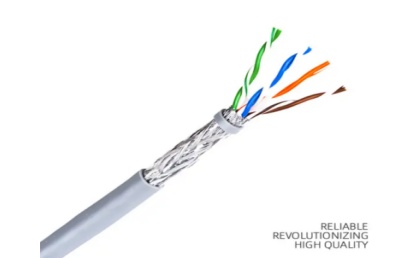
The most effective method for reducing EMI in communication cables is through shielding. Shielding acts as a barrier, blocking external electromagnetic fields from interfering with the internal signals. There are several types of shielding used in cables:
Braided Shielding: Made from woven copper or aluminum wires, braided shields offer flexibility and are highly effective at blocking low-frequency EMI. They are ideal for dynamic applications, such as cables that move frequently.
Foil Shielding: Made from a thin layer of metal, typically aluminum, foil shields offer 100% coverage, making them excellent for protecting against high-frequency interference. However, foil is less flexible than braided shields, making it more suitable for stationary installations.
Combination Shielding: Some cables use both foil and braided shielding to offer the benefits of both types, providing comprehensive protection against a wide range of interference sources.
Grounding is a crucial component of shielding effectiveness in communication cables. By providing a path for noise to flow safely to the earth, grounding prevents the buildup of static charges and ensures that the shielding can perform its role effectively. Proper grounding is essential in areas with high electrical activity to prevent interference from accumulating and affecting the signal quality. Grounding is typically achieved through a dedicated conductor or drain wire that runs alongside the cable’s signal conductors.
Twisted pair cables effectively reduce external noise interference by tightly twisting pairs of conductors together. The level of noise reduction is directly influenced by the twisting rate (the number of twists per meter). Below is a table that outlines different twisting rates and their applications in various interference environments, helping to select the most suitable cable configuration.
| Twist Rate | Description | Impact | Application Scenarios | Technical Specifications | Considerations |
|---|---|---|---|---|---|
| Low Twist Rate (Fewer Twists) | The twist rate between pairs of conductors is low. | Less effective at suppressing low-frequency noise, suitable for environments with minimal interference. | Offices, residential areas, low interference environments | Twist rate: 3-4 twists per meter | Suitable for low-interference settings but ineffective against high-frequency noise |
| Moderate Twist Rate (Medium Twists) | The conductors have a medium twist rate. | Effective in medium-interference environments, suppresses moderate-frequency noise. | Data centers, commercial environments with moderate interference | Twist rate: 5-6 twists per meter | Effective at reducing both high and low-frequency noise |
| High Twist Rate (Frequent Twists) | The conductors are twisted frequently, effectively cancelling out noise. | Provides strong noise suppression, ideal for high-interference environments. | Industrial settings, power equipment, sensitive data transmission areas | Twist rate: 7-8 twists per meter | Increases cable rigidity, should be considered during installation |
| Asymmetric Twist Rate (Irregular Twists) | The twist rate between conductor pairs is not entirely consistent. | Effective at reducing various types of noise under specific interference conditions. | High EMI environments, medical and military applications | Twist rate: 6-7 twists per meter | Highly effective in environments with unique high-interference sources, choose carefully for specific applications |
Tip: High twist rate cables offer the best noise suppression, making them ideal for high-interference environments like industrial facilities and medical equipment.
Fiber optic cables operate by transmitting data as pulses of light, rather than electrical signals. This fundamental difference makes fiber optics completely immune to EMI. Because they do not rely on electrical currents, external electromagnetic fields have no impact on the transmission, ensuring that the signal remains clear even in environments with high levels of interference.
Fiber optic cables are particularly advantageous in environments where high levels of EMI are present, such as near power lines or radio towers. These cables can transmit large amounts of data over long distances without suffering from signal degradation caused by EMI. Fiber optics are widely used in telecommunications and high-performance data networks, where maintaining signal integrity is critical.
When comparing fiber optic and copper cables, fiber optics are the clear winner in terms of immunity to interference. However, copper cables are still widely used in various applications due to their lower cost and easier installation. For environments with extreme EMI, fiber optic cables are the preferred choice. For less demanding scenarios, such as in offices or homes, high-quality shielded copper cables may offer a cost-effective solution with sufficient EMI protection.
Shielded twisted pair (STP) and foiled twisted pair (FTP) cables include metallic shields that enhance their resistance to EMI compared to unshielded cables. STP cables feature a braided or foil shield around each pair of wires, while FTP cables offer a single shield around all the pairs. These cables are ideal for use in industrial settings or data centers, where high EMI levels are common and signal integrity is paramount.
For the highest level of EMI protection, double-shielded cables combine both foil and braided shields. This multi-layer design provides comprehensive coverage across a wide frequency range, ensuring that the cable performs well even in environments with severe interference. Double-shielded cables are commonly used in industrial, military, and medical applications, where data reliability is critical.
Shielded copper cables, such as STP and FTP cables, are ideal in environments where electromagnetic interference is moderate to high. These cables are commonly used in data centers, hospitals, factories, and other industrial environments where sensitive data is transmitted. Proper grounding and cable management are essential for ensuring that these cables provide maximum protection against EMI.
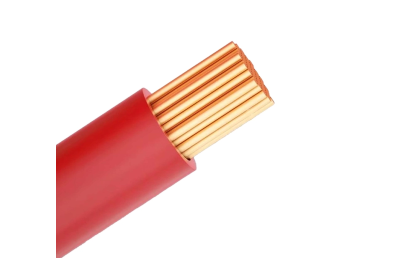
For shielded cables to effectively block interference, the shielding must be properly grounded. This provides a path for any induced noise to be safely dissipated, ensuring that the shield can perform its role in maintaining signal integrity. Without proper grounding, shielded cables can act as antennas, attracting additional interference and reducing the effectiveness of the shielding.
In most cases, grounding the shield at a single point is sufficient to prevent interference. However, in certain applications, it may be necessary to ground both ends of the cable. Dual grounding is typically used in systems where high safety standards are required, such as in medical or industrial control systems. It is important to follow manufacturer guidelines to ensure proper grounding without creating ground loops.
Improper grounding can undermine the effectiveness of the shielding, allowing interference to pass through and disrupt the signal. Grounding failures can occur when the cable is not properly connected to a low-resistance ground point or when there is a break in the ground connection. Regular maintenance and inspection are necessary to ensure that grounding remains intact and the cable continues to perform optimally.
In environments with high levels of electromagnetic interference, such as factories, power plants, and military settings, fiber optic cables are the best choice for ensuring reliable data transmission. However, shielded copper cables, such as STP or FTP, can still provide good protection in less extreme environments, offering a cost-effective solution without the need for fiber optics.
Unshielded twisted pair (UTP) cables are suitable for low EMI areas, such as offices and homes, where external interference is minimal. UTP cables are lightweight, flexible, and cost-effective, making them a popular choice for standard networking applications. However, they may not provide adequate protection in environments with moderate to high levels of EMI.
To maximize the performance of communication cables in EMI-sensitive environments, it is important to follow best practices for cable installation and maintenance. This includes proper grounding, ensuring adequate shielding, and avoiding routing cables near high-EMI sources. Using cable trays or conduits can also provide additional protection from interference.
The resistance of communication cables to interference depends on their design, shielding, and grounding. Fiber optic cables offer the best immunity in high-EMI environments, while shielded copper cables are effective for moderate interference. Proper installation and maintenance ensure optimal performance and data integrity. RRH CABLE provides high-quality, shielded copper cables that protect against EMI, ensuring reliable data transmission in industrial settings.
A: A communication cable is used to transmit data and signals between devices. These cables come in various forms, such as twisted pair cables, coaxial cables, and fiber optic cables, each designed for different transmission needs.
A: Communication cables resist interference through shielding, grounding, and specific configurations like twisted pairs. Shielded cables block electromagnetic interference, while grounding helps dissipate static charges.
A: Communication cables with better shielding, such as shielded twisted pair (STP) or fiber optic cables, are more resistant to interference. The shielding acts as a barrier against external electromagnetic fields.
A: Yes, fiber optic communication cables are immune to interference because they transmit data using light pulses instead of electrical signals, making them unaffected by electromagnetic interference (EMI).
A: Grounding helps communication cables by providing a path for unwanted noise to be safely dissipated, ensuring that shielding can effectively block interference. Proper grounding is crucial for optimal cable performance.
A: Yes, communication cables with strong shielding, such as fiber optics or double-shielded copper cables, are ideal for high-EMI environments, providing reliable data transmission even in challenging conditions.
