
Views: 0 Author: Site Editor Publish Time: 2026-01-18 Origin: Site
When dealing with electrical installations, a common question arises: "Is a Power Cable different from a wire?" Many people often confuse these two terms. However, understanding the difference is vital for ensuring electrical safety and selecting the appropriate materials for each task. In this article, we will explore the distinct characteristics and applications of Power Cables and wires, focusing on their roles in complex electrical systems.
A wire is essentially a single conductor that carries electrical current. Made of materials such as copper or aluminum, wires form the basic element of most electrical circuits. Their simplicity makes them ideal for smaller, low-voltage tasks. Whether they’re found inside your home appliances or extending across the interior walls of your building, wires are the unsung heroes of everyday electrical systems.
Wires come in two common forms: solid and stranded. A solid wire consists of a single piece of metal, which is generally stiffer and less flexible. Stranded wires, on the other hand, are made up of several smaller metal strands twisted together, offering higher flexibility and durability. Copper is the most commonly used material due to its excellent conductivity, but aluminum and other materials are also used in various applications.
Wires are typically used for internal connections in electronics and household wiring. They are ideal for low-power, short-distance electrical transmission. You’ll find wires in devices like lamps, phones, and inside electrical panels, where they link components and carry signals or power over small distances.
| Use | Application | Technical Specifications | Considerations |
|---|---|---|---|
| Household Wiring | Connecting household circuits such as lights, sockets, and switches | Voltage: 110-240V; Current: 10-15A | Use compliant wires to avoid overload. |
| Home Appliances | Connecting small appliances like refrigerators, microwaves, and air conditioners | Voltage: 110-240V; Current: 10-20A | Ensure wires have sufficient current capacity to prevent overheating. |
| Internal Electronics | Connecting internal circuits in devices like TVs, computers, and phones | Voltage: 3-12V; Current: 0.5-2A | Use flexible wires for compact spaces. |
| Low Voltage Circuits | Devices like doorbells and battery-powered equipment | Voltage: 12-48V; Current: ≤2A | Suitable for low-power devices; ensure good insulation. |
| Data Transmission | For audio equipment, computers, or video signal transmission | Voltage: ≤12V; Data transfer rate: 5Gbps | Use shielded cables to prevent signal interference. |
| Communication Cables | Telephone, network, or broadcast cables | Voltage: ≤24V; Current: ≤2A | Ensure cables have good noise immunity for signal transmission. |
A power cable is a group of two or more wires bundled together, often encased in a protective outer sheath. Designed to carry electrical current over longer distances and through more demanding environments, power cables are built to last, providing robust protection for the conductors inside. These cables are typically used in power distribution, industrial machinery, and outdoor installations where high voltage and durability are essential.
Power cables differ significantly from simple wires due to their multi-conductor design. Inside a typical power cable, each conductor (or wire) is individually insulated, and the entire bundle is wrapped in a tough outer jacket to protect the wiring from mechanical stress, temperature extremes, and environmental hazards. Additionally, power cables often feature extra layers such as shielding to prevent electromagnetic interference (EMI).
Power cables are commonly used in power transmission lines, from street power grids to underground wiring. In industries, they ensure that high-voltage electricity is safely transmitted across large distances to machinery and electrical systems. These cables are also crucial for outdoor and construction environments where cables must endure harsh conditions.
| Application | Use Case | Technical Specifications | Considerations |
|---|---|---|---|
| Power Transmission Lines | Street power grids, underground wiring | Voltage: 11kV-400kV; Current: 100A-1000A | Ensure cables are insulated and shielded for high voltage. |
| Industrial Power Distribution | Power supply for machinery, factories, plants | Voltage: 600V-35kV; Current: 100A-2000A | Use cables with strong outer jackets to prevent mechanical damage. |
| Outdoor Applications | Construction sites, outdoor installations | Voltage: 0.6kV-35kV; Current: 20A-1000A | Use cables with UV protection and weather-resistant insulation. |
| Heavy-Duty Machinery | Equipment, large machines, industrial systems | Voltage: 600V-35kV; Current: 100A-2000A | Opt for cables with high durability for mechanical and heat resistance. |
| Underground Installations | Power transmission beneath roads, streets | Voltage: 11kV-33kV; Current: 100A-1500A | Ensure cables are armored to prevent damage from soil or external pressure. |
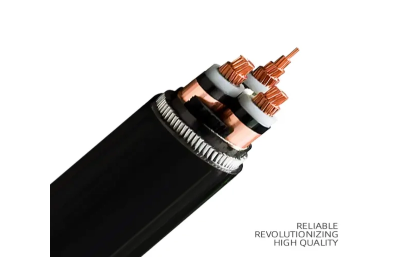
One of the primary differences between a wire and a power cable is their complexity. A wire is a single conductor that carries electricity, while a power cable is a combination of two or more insulated wires bundled together for more intricate tasks. Cables are multi-functional, supporting multiple electrical circuits in one bundle, while wires are typically dedicated to one purpose.
Power cables are far better protected compared to wires. While a wire may have minimal insulation or even none at all (in the case of bare wires), power cables come with multiple layers of protection. This includes individual insulation for each conductor, as well as outer jackets that shield the cables from physical damage, moisture, and UV radiation. The level of protection makes power cables suitable for use in harsh environments like construction sites or underground installations.
Wires are used for simple, internal electrical connections, such as in small appliances, light fixtures, or low-power electronic devices. On the other hand, power cables are used in heavy-duty tasks that involve long-distance electricity transmission, such as in power grids, industrial plants, or large machinery. The versatility of power cables makes them a staple in industries where reliability and safety are paramount.
Wires are generally more flexible than power cables. Due to their simpler structure, they can easily bend and twist without losing their functionality. However, this flexibility can make wires more prone to damage when subjected to constant movement. Power cables, while less flexible, are designed to handle harsh conditions and remain intact over time. Their rigidity is balanced by their durability and superior protection.
Cost is a critical factor when choosing between wires and power cables. While wires are generally more affordable due to their simpler construction and use of fewer materials, power cables incur higher costs because of their multi-layered insulation, shielding, and protection for durability in harsh conditions. The added cost is justified for high-power, high-voltage applications where safety, reliability, and longevity are essential. In environments where physical protection from impact, moisture, or UV exposure is needed, the investment in power cables ensures operational efficiency and long-term cost savings.
Wires are ideal for low-voltage, low-power applications where only a single conductor is required to transmit electricity. Common uses include wiring in small devices, appliances, and light fixtures. Their affordability and flexibility make them suitable for short distances and indoor use. For safety and efficiency, the wire gauge must match the power requirement of the device, ensuring minimal resistance and heat generation. Improper wire selection can result in overheating and damage to the connected devices.
Power cables are designed for environments that demand high power, safety, and long-distance transmission. They are essential in industries, power grids, and large construction projects, where multiple conductors are needed to handle high voltage and current. The cables are built with robust insulation and protective coatings to resist physical damage, moisture, and electromagnetic interference. These features ensure the safety of workers, prevent short circuits, and maintain system integrity in critical applications.
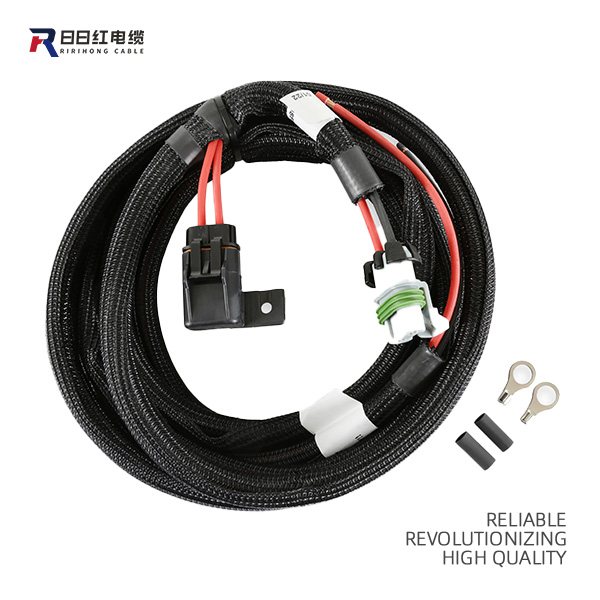
Power cables are built with multiple layers of insulation to ensure their durability in demanding environments. This insulation protects the wires from environmental factors like heat, moisture, and UV exposure. Additionally, power cables often include shielding to reduce electromagnetic interference (EMI) and prevent electrical noise from interfering with other systems.
Power cables are used in areas where wires would be insufficient due to the need for higher voltage handling and added protection. They are crucial in industries and outdoor environments, such as power grids, manufacturing facilities, and underground cabling systems, where durability and environmental resilience are paramount.
Compared to wires, which often have minimal insulation or protection, power cables are designed to withstand the harshest conditions. This makes them suitable for high-demand, heavy-duty applications, ensuring the safety and integrity of the electrical system.
Selecting the appropriate conductor type is critical for ensuring electrical safety. Using a wire where a power cable is required can result in overheating due to insufficient insulation, leading to electrical fires or system failures. On the other hand, choosing a power cable for low-power applications can increase project costs unnecessarily. Over-dimensioning wiring systems can also cause installation issues due to the increased size and rigidity of the cables, making it harder to manage and install in confined spaces.
Using the correct type of wire or cable optimizes project efficiency by ensuring that the right material is employed for the task. Over-engineering with expensive cables in simple applications leads to wasted resources, while under-engineering with inadequate wires can cause malfunctions. Selecting the right component for the application reduces unnecessary costs, minimizes the risk of future failures, and speeds up installation by using appropriately sized and rated materials. This approach ensures both financial and operational efficiency in electrical systems.
In conclusion, while both Power Cables and wires are essential components in electrical systems, they serve distinct roles. Wires are ideal for simple, short-distance, low-power tasks, while Power Cables are designed for more complex, high-voltage, and long-distance applications. The differences in their complexity, protection, cost, and suitability for different tasks make it crucial to choose the right type for each specific job. By ensuring the proper selection of conductors, you can enhance safety, improve efficiency, and manage costs effectively. RRH CABLE provides high-quality power cables that offer durability and reliability for demanding electrical installations.
A: A wire is a single conductor used for low-power applications, while a Power Cable consists of multiple conductors bundled together with insulation and protective layers, designed for high-power and long-distance transmission.
A: Wires are ideal for short-distance, low-power tasks, such as internal connections in household appliances. For heavy-duty tasks, such as power transmission or industrial applications, a Power Cable is necessary for safety and durability.
A: Power Cables are more expensive due to their multi-layered construction, which includes insulation, shielding, and protective coatings to ensure durability and safety in harsh environments. Wires, being simpler, cost less.
A: Yes, Power Cables can be designed to handle various voltage levels, from low to high, depending on the requirements of the application, ensuring safe and efficient transmission over long distances.
A: Choose a wire for low-power, short-distance tasks like internal wiring in electronics. For industrial or high-voltage applications requiring long-distance transmission, a Power Cable with adequate insulation and protection is essential.
