
Views: 0 Author: Site Editor Publish Time: 2026-04-22 Origin: Site
When people compare electrical systems, they often assume that cable selection is simply a matter of choosing the right size or insulation level. In reality, the difference between low voltage and high voltage cable systems goes much deeper. It affects installation methods, design priorities, material requirements, safety procedures, operating environments, and long-term maintenance expectations. That is why the question “Low Voltage Cable Installation vs. High Voltage: What’s the Difference?” matters not only to engineers and contractors, but also to procurement teams, project planners, and industrial buyers. A cable is never just a conductor. It is part of a complete electrical system, and the voltage level determines how that system must be handled from installation to operation. In this article, we explain the practical differences between low voltage cable installation and high voltage cable applications, and why understanding those differences helps improve safety, efficiency, and project performance.
Voltage classification is not only a technical label. It determines how electrical energy is transmitted, how equipment is protected, and how installation work is planned. In simple terms, low voltage systems are generally used in building distribution, industrial equipment, appliances, lighting, and smaller power networks. High voltage systems are usually associated with large-scale power transmission, substations, utilities, and specialized industrial infrastructure.
Because these systems operate under different electrical stresses, the cables used in them must meet different demands. This affects:
· insulation design
· conductor construction
· installation spacing
· jointing and termination methods
· safety clearance requirements
· maintenance procedures
As a result, the phrase high voltage cable vs low voltage cable is not just about electrical numbers. It reflects two very different installation and operating environments.
A low voltage power cable is typically used for power distribution in residential, commercial, and industrial applications where the voltage level is relatively moderate compared with transmission systems. These cables are common in factories, office buildings, control panels, machinery, public lighting, and internal power supply networks.
In most practical installations, low voltage cables are valued for flexibility, easier routing, and wider everyday use. They can still face demanding conditions, especially in industrial settings, but their installation process is usually more accessible than that of high voltage systems.
Common applications include:
· building electrical distribution
· industrial equipment power supply
· control systems and switchboards
· solar and energy support systems
· lighting and general infrastructure wiring
Because low voltage cable systems are so widely used, low voltage cable installation is often one of the most frequent cable-related activities in modern construction and industrial projects.
High voltage cables are designed for the transmission or distribution of electrical energy at much higher voltage levels. They are used in power grids, utility networks, substations, renewable energy transmission links, and other environments where large amounts of electricity must be delivered over longer distances or to more demanding systems.
Unlike low voltage products, high voltage cables are built to manage significantly greater electrical stress. This means they require more advanced insulation structures, stricter installation control, and more specialized accessories.
With higher voltage comes greater risk of insulation breakdown, electrical discharge, and installation error consequences. This is why high voltage cable work often requires:
· stricter installation procedures
· more specialized technical personnel
· controlled handling of joints and terminations
· more demanding testing before commissioning
These differences shape nearly every stage of the cable lifecycle.
At a basic level, both low voltage and high voltage cables carry power, but the installation philosophy is very different.
Low voltage installation is often centered on practical routing, load matching, environmental protection, and compliance with building or industrial wiring standards. High voltage installation, by contrast, places far greater emphasis on insulation integrity, electrical field control, system coordination, and installation precision.
A low voltage cable may tolerate a wider range of routine installation conditions, depending on the design. A high voltage cable system leaves much less room for error. Small defects in preparation, bending, jointing, or surface condition can have much more serious consequences.
· route efficiency
· mechanical protection
· conductor sizing
· load requirements
· installation speed and practicality
· electric field control
· insulation continuity
· moisture prevention
· termination quality
· strict testing and commissioning steps
That is one of the clearest answers to the question: Low Voltage Cable Installation vs. High Voltage: What’s the Difference? The difference is not only in the cable itself, but in the level of installation discipline required.
The physical structure of a cable is heavily influenced by voltage level. Low voltage cables and high voltage cables may look similar from a distance, but their internal design can be very different.
A low voltage cable often includes:
· conductor
· insulation
· filler or bedding, depending on design
· sheath or outer jacket
· optional armor or shielding for specific environments
This design supports practical power distribution with appropriate protection for mechanical and environmental conditions.
High voltage cable construction is usually more complex. It may include:
· conductor
· conductor screen
· insulation layer
· insulation screen
· metallic screen
· sheath and protective outer layers
Each layer serves a more controlled electrical purpose. This is necessary because high voltage operation creates greater electrical stress and demands better field management.
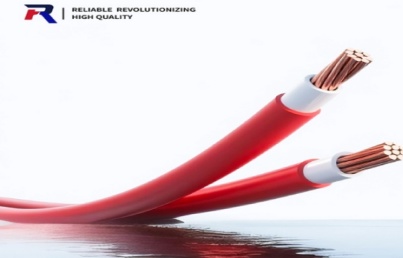
Every cable installation should follow safe working practices, but electrical cable installation safety becomes even more critical as voltage rises. Low voltage systems can still be dangerous, and no installation should be treated casually. However, high voltage systems involve greater hazards and stricter procedures.
Low voltage installation typically requires:
· correct load calculations
· proper insulation checks
· grounding compliance
· mechanical protection
· adherence to local installation standards
High voltage projects usually involve additional layers of control, such as:
· expanded isolation procedures
· more specialized tools
· controlled environmental conditions during jointing
· detailed testing protocols
· stricter qualification requirements for installers
This is why training and process consistency matter so much. In high voltage systems, installation quality directly affects operational safety and network reliability.
The table below helps summarize the main practical differences:
Aspect | Low Voltage Cable Installation | High Voltage Cable Installation |
Typical Application | Buildings, machinery, internal distribution | Utilities, substations, transmission and major distribution |
Installation Complexity | Moderate, depending on environment | High, with stricter controls |
Insulation Structure | Simpler overall structure | More advanced layered structure |
Jointing and Termination | More routine in many projects | Highly specialized and sensitive |
Safety Procedures | Essential standard protection | Much stricter, higher-risk controls |
Testing Requirements | Important but often simpler | More extensive pre-commissioning testing |
Tolerance for Installation Error | Limited | Much lower tolerance |
Maintenance Impact | Usually localized | Can affect larger system reliability |
This comparison shows why project teams cannot apply the same installation mindset to both voltage categories.
The working environment affects all cable systems, but it can influence high voltage installation even more strongly.
Low voltage cable installations in buildings often involve cable trays, conduits, wall routes, equipment rooms, or floor systems. Accessibility and routing flexibility are often important.
High voltage systems are more likely to be installed in substations, underground utility routes, large industrial facilities, or outdoor transmission-related settings. In these environments, moisture control, bending radius, route preparation, and accessory handling become even more important.
So, Low Voltage Cable Installation vs. High Voltage: What’s the Difference? The answer is that the difference appears at every stage: in cable structure, installation practice, safety control, testing expectations, operating risk, and maintenance planning. Low voltage cable systems are widely used and often easier to install in practical environments, but they still require proper design and compliance. High voltage cable systems demand a much stricter level of engineering attention because the electrical stress, safety implications, and installation sensitivity are significantly greater. From our experience, good project results come from understanding these differences early rather than treating all power cables as variations of the same product. At RRH CABLE. Co., Ltd., we focus on helping customers match cable solutions to real application needs, whether the project involves routine low voltage distribution or more demanding power infrastructure. If you would like to learn more about cable selection, installation considerations, or suitable products for your market, you are welcome to contact our team for further information.
The main difference is the level of electrical stress and installation control required. High voltage cable installation needs more specialized insulation handling, stricter safety procedures, and more advanced testing.
In many cases, yes. Low voltage installation is generally more straightforward, although it still requires correct sizing, routing, protection, and compliance with relevant standards.
High voltage cables need more advanced layered structures to control electrical stress, protect insulation integrity, and support reliable long-term performance under higher voltage conditions.
Buyers should consider the application environment, load requirements, installation conditions, mechanical protection needs, and long-term reliability instead of choosing by price alone.
