
Views: 0 Author: Site Editor Publish Time: 2025-10-11 Origin: Site
In the rapidly evolving energy landscape, low voltage (LV) power cables play a foundational yet often overlooked role. They form the final link between power sources and end users—connecting buildings, lighting systems, manufacturing equipment, and countless other electrical devices. As global energy demand grows and sustainability becomes a priority, innovation in low voltage power cable design has become essential to support safer, more efficient, and environmentally friendly energy distribution systems.
This article explores the latest advancements shaping the next generation of low voltage power cables, focusing on materials, design, performance, and smart integration trends that are transforming how electricity is delivered and managed.
Low voltage power cables—typically defined for applications up to 1 kV—are the backbone of residential, commercial, and industrial power distribution. They provide critical connections between transformers, switchboards, and end-use equipment.
As modern power systems become more decentralized and intelligent, these cables face new performance demands. Increased electrification, renewable energy integration, and smart grid adoption require cables that are not only reliable but also adaptable to variable loads, environmental challenges, and data-driven monitoring systems.
Traditional copper or aluminum conductors are no longer sufficient on their own. Today’s LV power cables must combine electrical efficiency, mechanical resilience, and eco-friendly construction to meet the expectations of both regulators and industries worldwide.
While copper remains the most widely used conductor material due to its excellent conductivity and mechanical properties, the industry is exploring alternatives to improve sustainability and cost efficiency.
Aluminum Alloys: Modern alloys reduce oxidation risks and improve tensile strength, making them suitable replacements for copper in certain LV applications.
Tinned Copper Conductors: For harsh environments, tinned copper prevents corrosion and extends service life, especially in marine and outdoor installations.
Stranded and Flexible Conductors: New multi-strand and fine-wire designs enhance flexibility, making installation easier in complex routing environments.
Insulation plays a critical role in ensuring cable safety, longevity, and energy efficiency.
Cross-Linked Polyethylene (XLPE): Offers superior thermal resistance, mechanical strength, and dielectric properties compared to traditional PVC insulation.
Halogen-Free Flame-Retardant (HFFR) Compounds: These materials minimize toxic gas emission during fire incidents, aligning with modern building safety standards.
Nano-Enhanced Insulation: Nanotechnology is being used to improve insulation’s heat resistance and dielectric strength while reducing material thickness.
Together, these advancements reduce energy losses, increase cable lifespan, and support compliance with stricter international standards such as IEC, EN, and UL.
As installation spaces become more constrained in modern urban environments, cable manufacturers are focusing on compact designs that offer the same—or better—performance in smaller dimensions.
Reduced Wall Thickness: With advanced materials, insulation and sheath layers can be thinner without sacrificing protection.
Lightweight Aluminum Cores: Substituting copper with lightweight aluminum reduces both material cost and overall cable weight, easing handling and installation.
Integrated Shielding: New composite shielding materials improve electromagnetic compatibility (EMC) while minimizing cable diameter.
These compact designs allow for easier routing in conduits and cabinets, faster installation, and more sustainable manufacturing due to reduced raw material consumption.
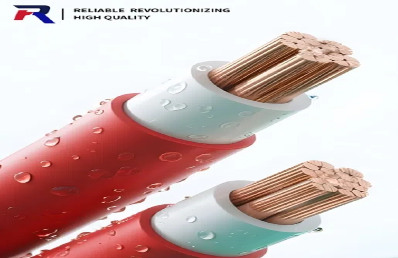
Safety remains the most critical aspect of power cable engineering. The latest innovations aim to prevent electrical faults, overheating, and fire hazards while extending service life.
Modern LV power cables feature better heat dissipation through advanced insulation materials and optimized conductor geometries. This prevents temperature rise during high current loads, maintaining stable operation.
Cable fires can have devastating consequences in industrial and public infrastructure. Low smoke, zero halogen (LSZH) cables emit minimal smoke and corrosive gases during combustion, providing vital extra time for evacuation and system protection.
New outer sheathing materials, such as polyethylene (PE) and thermoplastic elastomers (TPE), provide superior resistance to oil, chemicals, and moisture. These properties are especially valuable for outdoor, underground, and industrial installations.
The digital transformation of energy systems has introduced the concept of “smart cables”—power cables integrated with sensing and communication capabilities.
Temperature and Strain Sensors: Embedded fiber optics or micro-sensors continuously monitor cable temperature and mechanical stress, helping detect early signs of overload or damage.
Data Transmission Integration: Hybrid cables can transmit both power and data, simplifying installations in intelligent buildings and automated industrial facilities.
Predictive Maintenance: By collecting real-time performance data, operators can schedule maintenance before failures occur, reducing downtime and energy waste.
Smart cable technology aligns with the rise of Industry 4.0 and smart grids, where energy distribution systems require continuous visibility and adaptive control.
Environmental sustainability is now a driving force in cable development. Manufacturers are focusing on reducing the environmental impact of both production and end-of-life processes.
Cables designed with recyclable insulation and sheathing materials contribute to a circular economy. Replacing halogenated compounds with thermoplastic alternatives allows easier material recovery.
Cable factories are adopting cleaner manufacturing methods—such as solvent-free extrusion and renewable-powered processes—to lower carbon emissions during production.
Durable materials and improved mechanical strength reduce the frequency of cable replacements, cutting both waste and lifecycle costs. The result is a more sustainable approach to energy infrastructure management.
Low voltage power cables are evolving to support a wide array of energy applications, from traditional infrastructure to emerging technologies:
Renewable Energy Systems: LV cables connect solar panels, inverters, and battery storage systems, requiring high UV and weather resistance.
Smart Buildings: Power cables integrated with communication lines help create connected environments where lighting, HVAC, and security systems operate intelligently.
Electric Mobility Infrastructure: Charging stations rely on robust LV cables that support continuous high currents while meeting safety and thermal standards.
Data Centers: Advanced LV cables supply uninterrupted power to servers, with emphasis on low-loss performance and electromagnetic shielding.
As electrification spreads across industries, the importance of reliable, efficient, and safe LV power cables will only continue to grow.
The next generation of low voltage power cables will continue to evolve alongside digital and environmental innovations. Integration with smart grid technologies, the use of biodegradable materials, and modular cable designs are poised to redefine how we think about electrical distribution.
The combination of performance, safety, intelligence, and sustainability ensures that LV cable technology remains at the heart of global energy transformation—quietly powering homes, industries, and entire cities.
Low voltage power cable innovation is no longer just about conducting electricity—it’s about enabling smarter, greener, and more resilient energy systems. From new insulation materials to intelligent monitoring and sustainable manufacturing, these advancements ensure that energy distribution networks are ready for the challenges of the future.
For those seeking advanced, high-quality power cable solutions that meet global standards of efficiency and reliability, www.rrhcable.com offers cutting-edge technology and expertise. Their continuous innovation in cable design supports the evolving needs of modern energy systems. To learn more or explore tailored cable solutions, consider contacting them for professional guidance and support.
