
Views: 0 Author: Site Editor Publish Time: 2025-09-15 Origin: Site
Industrial operations rely heavily on electrical infrastructure, and at the heart of this infrastructure are medium voltage (MV) power cables. These cables, typically rated between 1 kV and 35 kV, play a crucial role in delivering electricity from distribution systems to machinery, equipment, and other critical systems. Selecting the right medium voltage cables ensures that industrial installations operate safely, efficiently, and reliably, minimizing downtime and reducing operational risks.
This article explores the importance of medium voltage cables, factors influencing their performance, safety considerations, and best practices for installation in industrial environments.
Medium voltage cables serve as a bridge between low voltage systems (below 1 kV) and high voltage transmission networks (above 35 kV). They are widely used in:
Industrial plants: Powering heavy machinery, HVAC systems, and lighting.
Commercial buildings: Supporting large-scale electrical loads in shopping centers, hospitals, and office complexes.
Utility networks: Connecting substations to feeders and distribution points.
MV cables are engineered to withstand higher electrical loads than low-voltage cables while maintaining flexibility, durability, and resistance to environmental stresses such as moisture, temperature fluctuations, and chemical exposure.
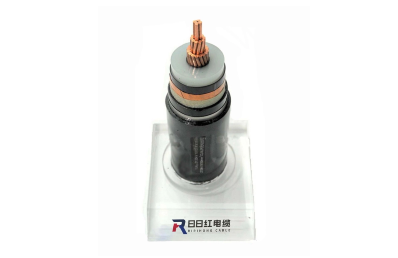
Key Components of Medium Voltage Cables:
Conductor – Typically copper or aluminum, responsible for carrying the current.
Insulation – Designed to prevent leakage and ensure safety. Cross-linked polyethylene (XLPE) and ethylene propylene rubber (EPR) are common choices.
Metallic Shield – Provides grounding and reduces electromagnetic interference (EMI).
Outer Sheath – Protects against physical damage, UV radiation, moisture, and chemical exposure.
Selecting the appropriate medium voltage (MV) cable is essential for ensuring reliable power delivery in industrial installations. Multiple performance factors must be carefully evaluated to balance efficiency, safety, and long-term durability.
a Current Carrying Capacity
The cable must be capable of handling the full electrical load of the connected equipment. Oversized cables, while safe, can be unnecessarily expensive, bulky, and difficult to install. Conversely, undersized cables can overheat, degrade insulation, and increase the risk of fire or catastrophic failure. Proper sizing based on load calculations ensures both safety and cost-effectiveness.
b Voltage Rating
MV cables must operate safely at the system’s voltage level while maintaining an adequate safety margin. Using cables with an insufficient voltage rating can result in dielectric breakdown, insulation failure, or unexpected power interruptions. Ensuring that the voltage rating aligns with operational requirements is critical for long-term reliability.
c Thermal Resistance
Industrial environments often expose cables to high ambient temperatures, radiant heat from machinery, and fluctuating electrical loads. Cables with excellent thermal resistance preserve insulation integrity, prevent accelerated aging, and maintain consistent performance over time, reducing the need for frequent replacements.
d Mechanical Durability
During installation and daily operation, MV cables may encounter bending, pulling, or crushing forces. Robust outer sheaths and flexible designs protect against mechanical damage, extending service life and minimizing maintenance costs.
By carefully considering these performance factors, engineers and operators can ensure that medium voltage cables meet the rigorous demands of modern industrial environments while providing reliable and safe power distribution.
Safety is a critical priority in industrial electrical installations. Medium voltage (MV) cables carry significant power, and any failure—whether due to insulation breakdown, physical damage, or environmental stress—can result in severe injuries, costly equipment damage, or extended operational downtime. Ensuring the safety of both personnel and machinery requires careful attention to cable design, materials, and installation practices.
a Insulation Integrity
High-quality insulation is the first line of defense against electrical hazards. MV cables insulated with materials like cross-linked polyethylene (XLPE) or ethylene propylene rubber (EPR) offer excellent resistance to moisture, chemical corrosion, and thermal stress. This ensures stable performance even under heavy electrical loads and harsh industrial conditions, reducing the risk of short circuits and electrical leakage.
b Grounding and Shielding
Proper grounding and metallic shielding are essential for personnel protection and system reliability. Shields help contain electromagnetic interference (EMI), preventing disruptions to sensitive electronic equipment. Grounded cables also minimize the risk of electrocution, ensuring safe operation in complex industrial environments.
c Fire Safety
Industrial MV cables must comply with fire-retardant standards to prevent flame propagation in the event of a fault. Low-smoke zero-halogen (LSZH) sheaths are increasingly used to reduce toxic gas emissions, enhancing both worker safety and environmental protection during emergencies.
d Environmental Resistance
Industrial installations often expose cables to oil, chemicals, UV radiation, and water ingress. Durable outer sheaths protect the insulation, prevent corrosion, and extend cable lifespan, ensuring reliable operation under challenging conditions and reducing maintenance needs.
By prioritizing these safety considerations, industrial operators can significantly mitigate risks while maintaining efficient and reliable electrical distribution systems.
Proper installation of medium voltage (MV) cables is just as critical as selecting the right cable for an industrial environment. Even the highest-quality cables can fail prematurely if they are installed incorrectly, compromising performance, safety, and longevity. Adhering to best practices ensures reliable operation and reduces the risk of costly downtime.
a Correct Routing and Bending
Cables should follow smooth, gradual bends, avoiding sharp angles that can stress or damage the insulation. Maintaining the recommended bend radius is essential to prevent kinking, cracking, or permanent deformation. Additionally, installers should avoid tightly coiling cables during installation, as this can create localized stress points and affect long-term performance.
b Secure Fixing
Proper fixation using clamps, trays, or cable supports prevents sagging, excessive vibration, or lateral movement. Securely mounted cables experience less mechanical wear over time, reducing the likelihood of insulation damage or accidental disconnections.
c Temperature Management
Cables should be routed away from high-temperature equipment unless specifically rated for such conditions. Ensuring adequate spacing and ventilation around cables helps dissipate heat and maintain safe operating temperatures, preventing insulation degradation and maintaining overall system efficiency.
d Regular Testing and Maintenance
Once installed, MV cables should undergo comprehensive testing, including insulation resistance checks, partial discharge testing, and visual inspections. Routine maintenance allows early detection of potential issues, helping to extend cable lifespan, improve reliability, and maintain a safe electrical system.
Modern industrial environments demand cables that combine high performance with safety and environmental responsibility. Emerging trends include:
Eco-friendly Materials: New insulation and sheath compounds reduce environmental impact while maintaining durability.
Smart Monitoring Systems: Sensors integrated with cables monitor temperature, load, and insulation health in real time.
High-flexibility Designs: Improved cable constructions make installation easier in complex or confined industrial spaces.
Advanced Fire Safety: Cables designed to maintain functionality even during fires, ensuring emergency systems remain operational.
These innovations help industrial operators achieve reliable, efficient, and safe power distribution while minimizing maintenance and operational risks.
Medium voltage cables are the backbone of industrial electrical systems, bridging the gap between high-voltage networks and operational machinery. Choosing the right cable involves balancing performance, durability, and safety. Proper insulation, grounding, and installation practices are essential to prevent electrical faults, ensure operational efficiency, and protect personnel.
For businesses and engineers seeking high-quality medium voltage cables for industrial installations, www.rrhcable.com offers a comprehensive range of products and solutions. Their expertise in manufacturing and supplying reliable MV cables ensures optimal performance and safety for any industrial environment.
By investing in the right medium voltage cables and following best practices, industrial facilities can secure long-term operational efficiency, minimize downtime, and create safer work environments.
