
Views: 0 Author: Site Editor Publish Time: 2025-10-11 Origin: Site
In the era of climate awareness and global energy transition, the demand for sustainable infrastructure has never been greater. The shift toward renewable energy sources—such as solar, wind, and hydro power—requires not only cleaner power generation but also smarter, greener transmission systems. Among the many components driving this transformation, power cables play a vital yet often overlooked role.
From residential grids to industrial facilities, power cables form the backbone of modern energy distribution. In particular, low voltage (LV) power cables have emerged as a key enabler of sustainability by supporting efficient, safe, and environmentally conscious energy transfer. But sustainability is not only about where electricity comes from—it’s also about how it’s delivered, and how its delivery systems are made.
Global efforts to reduce carbon emissions have accelerated investments in renewable energy and smart grid technologies. However, as renewable generation expands, the supporting electrical infrastructure must evolve to handle new performance and sustainability standards.
Power cables are central to this transition. They must deliver energy efficiently, withstand environmental challenges, and comply with evolving environmental regulations. Manufacturers are now integrating sustainability throughout the cable lifecycle—from raw materials and production methods to product performance and recyclability.
A power cable typically consists of conductors (usually copper or aluminum), insulation, sheathing, and protective layers. Each component has an environmental footprint related to material sourcing, manufacturing energy use, and waste generation.
In conventional production, cable manufacturing involves significant energy consumption and reliance on petroleum-based plastics for insulation. As sustainability becomes a global priority, cable manufacturers are rethinking these processes—adopting cleaner technologies, recyclable materials, and eco-friendly formulations.
Low voltage cables—rated typically up to 1 kV—are especially crucial in this context. They are widely used in homes, offices, electric vehicles, renewable energy installations, and lighting systems. Because of their scale and ubiquity, small improvements in LV cable sustainability can have a large cumulative impact on global energy efficiency and emissions.
One of the most important changes in cable manufacturing is the move toward halogen-free, low-smoke, and recyclable materials. Traditional PVC insulation, while effective, releases toxic gases when burned. Halogen-free flame-retardant (HFFR) compounds offer a safer alternative, reducing environmental impact during production and disposal.
Moreover, cable manufacturers are exploring bio-based polymers derived from renewable sources such as plant oils or recycled plastics. These innovations minimize dependence on fossil fuels and contribute to circular economy goals.
Cable extrusion, insulation curing, and sheathing are energy-intensive stages. Modern factories are adopting energy recovery systems, electric heating, and smart automation to reduce energy consumption and CO₂ emissions. Many manufacturers now operate under ISO 14001 environmental management systems to continuously monitor and improve sustainability performance.
Sustainability also means minimizing waste at every stage. Cable producers now implement closed-loop recycling systems that recover scrap metal, insulation, and sheathing materials for reuse. These practices reduce raw material demand and landfill waste while improving overall production efficiency.
Durability directly affects sustainability. A longer-lasting cable reduces the frequency of replacement, saving resources and energy over time. Modern low voltage cables use advanced insulation materials that resist UV exposure, heat, moisture, and mechanical stress, ensuring decades of reliable service in both indoor and outdoor installations.
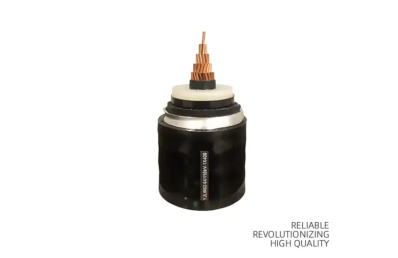
Low voltage cables are essential for connecting renewable energy systems—such as solar panels and wind turbines—to the grid. They safely transmit generated electricity from power sources to inverters, control panels, and storage systems. Their high conductivity and thermal stability ensure minimal power loss, maximizing the efficiency of green energy production.
For example, in solar farms, LV DC cables carry current from photovoltaic panels to inverters that convert it into usable AC power. In wind energy systems, flexible low voltage cables manage signals and power in the turbine nacelle, ensuring consistent operation under harsh weather conditions.
Energy efficiency isn’t just about generation—it’s also about minimizing loss during distribution. Low voltage cables made with high-purity copper or aluminum conductors offer excellent conductivity, reducing resistive losses. Every watt saved translates to a lower overall carbon footprint.
Modern cities are increasingly powered by smart grids and electric vehicles (EVs)—both heavily reliant on LV cable networks. Smart grid systems use LV wiring to enable real-time data communication between sensors, meters, and substations. Similarly, charging stations for EVs depend on robust low voltage cabling to deliver power safely and efficiently.
These applications demonstrate how LV cables help realize sustainable urban ecosystems that balance convenience, energy efficiency, and environmental responsibility.
The engineering behind today’s power cables reflects a growing commitment to sustainability through design:
Cross-linked polyethylene (XLPE) insulation with enhanced recyclability improves both thermal resistance and environmental safety.
Reduced-diameter cable designs use less material without compromising performance.
Smart cable monitoring systems embedded with sensors track temperature, load, and potential faults, enabling predictive maintenance and extending product life.
Hybrid cables combine power and communication lines, reducing material use and installation costs.
Such innovations are transforming the traditional cable industry into a driver of energy efficiency and environmental progress.
The global move toward sustainability is reinforced by strict environmental standards and regulations. Compliance not only improves a company’s environmental footprint but also enhances market competitiveness.
Some key standards influencing cable manufacturing include:
RoHS (Restriction of Hazardous Substances) – Limits the use of toxic materials such as lead and cadmium.
REACH (Registration, Evaluation, Authorisation and Restriction of Chemicals) – Ensures safe chemical management in cable materials.
IEC 60332 / EN 50525 – Defines flame retardancy and low-smoke emission requirements.
ISO 14001 – Promotes systematic environmental management in production facilities.
Manufacturers adopting these standards demonstrate a clear commitment to sustainable operations and safer end products.
The future of sustainable cable manufacturing is moving toward a fully circular model—where materials are continuously reused, waste is minimized, and energy efficiency is maximized throughout the supply chain.
Recycling programs for old cables are becoming more common. Copper and aluminum can be efficiently recovered, while advanced separation techniques enable insulation and sheathing to be repurposed. Additionally, smart labeling and digital tracking of cables are emerging to facilitate traceability and recycling.
This shift not only reduces environmental impact but also helps stabilize raw material supply chains, an increasingly important factor in the global energy market.
As global attention turns toward cleaner and more efficient energy solutions, power cables—particularly low voltage cables—have taken on a new strategic importance. Through innovations in material science, production efficiency, and recycling technology, cable manufacturers are helping pave the way for a greener and more resilient energy future.
For businesses, builders, and energy providers seeking reliable and sustainable power transmission solutions, partnering with experienced and environmentally conscious manufacturers is essential. www.rrhcable.com offers a wide range of power cables designed to meet modern performance standards while supporting sustainability goals. Their expertise in low voltage cable design and manufacturing makes them a trusted choice for projects focused on efficiency, safety, and green innovation.
