
Views: 0 Author: Site Editor Publish Time: 2026-01-16 Origin: Site
Mining cables are essential in the mining industry, powering equipment in the most extreme environments. Whether underground or on the surface, these cables must endure harsh conditions like mechanical stress and chemical exposure.
In this article, we will explore the importance, types, construction, and applications of mining cables. You’ll also learn how to select the right mining cable for your operation to ensure efficiency and safety.
Mining cables are built to endure the harshest conditions, such as constant abrasion, exposure to moisture, and mechanical stress. The materials used, like rubber and thermoplastic polyurethane (TPU), enhance the cables' resistance to wear, oils, chemicals, and environmental factors. This durability ensures that mining cables can withstand being dragged over sharp rocks and subjected to the heavy machinery found on mining sites.
Flexibility is a crucial feature for mining cables because they are often bent, twisted, and pulled as they move with mining equipment. Cables used for mobile equipment, such as drills and shovels, must have finely stranded conductors that allow for constant movement without breaking or losing efficiency. Flexible construction allows cables to work effectively under stress and extreme conditions, preventing unnecessary downtime.
Mining cables are designed with safety as a top priority. They often include grounding conductors and ground check wires to prevent electrical hazards. Flame-retardant materials are used to minimize the risk of fires in underground mines. Additionally, cables like the G-GC type feature grounding and ground-check systems to monitor the integrity of the power supply, ensuring that any faults are detected immediately.
Tip: When choosing a mining cable, consider cables with robust safety features, especially if the operation involves high-risk environments.
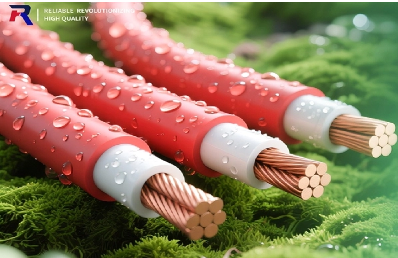
Type W cables are commonly used for portable power and heavy-duty machinery. These cables are flexible and suitable for equipment that needs to be moved frequently, such as drills, shovels, and mobile mining vehicles. However, they do not include ground-check wires, making them more suitable for certain surface applications.
G-GC cables are specifically designed for tunnel equipment, where grounding and ground-check wires are necessary. These cables are used to power mobile mining machinery in environments where electrical safety is a top concern. They are suitable for use in harsh underground conditions, offering durability and protection against electrical faults.
SHD-GC cables are used for powering heavy-duty mining equipment, such as electric shovels, conveyors, and loaders. These cables have unique construction features that ensure maximum durability, flexibility, and safety under extreme mining conditions. The following table outlines the specifications, construction, and key characteristics of SHD-GC cables.
| Feature | Description | Applications | Key Considerations | Technical Specifications |
|---|---|---|---|---|
| Construction | Includes a separator tape around each conductor and an extra insulation layer under the outer jacket. | Used for continuous miners, longwall shears, and other mobile equipment. | Ensure proper installation, especially under extreme bending or flexing conditions. | Available in 2000V and 4160V ratings. |
| Grounding & Safety | Features grounding conductors and a ground-check wire for added safety. | Common in applications where electrical safety is critical, such as underground mining. | Verify ground-check integrity regularly to ensure safety. | Ground-check wire for continuous monitoring. |
| Flexibility | Extra flexible due to the separator tape and specialized construction. | Ideal for equipment that requires constant bending, such as shovels and conveyors. | Handle with care to avoid unnecessary sharp bends. | Can handle frequent flexing and twisting. |
| Resistance | Resistant to abrasion, chemicals, moisture, and high mechanical stress. | Suitable for rugged, demanding environments. | Perform regular checks for signs of wear or damage. | Resistant to harsh chemicals and physical impacts. |
| Voltage Rating | Available in two voltage ratings, 2000V and 4160V, for different mining equipment needs. | Provides energy to heavy-duty equipment requiring high-voltage power. | Ensure the cable matches the voltage and amperage requirements of the equipment. | Voltage ratings of 2000V and 4160V. |
MP-GC cables, or Mine Power Feeder cables, are used for medium-voltage power distribution in stationary underground installations. They are designed to support power systems that need to be more permanent and provide energy over long distances in mining tunnels. These cables often feature reinforced insulation to withstand environmental challenges.
Teck 90 cables are armored cables used for both fixed and temporary power distribution in surface mining and shafts. The armored design ensures that the cables remain intact despite exposure to mechanical damage or harsh weather conditions. Teck 90 cables are essential for providing power to large equipment and facilities that require robust cable protection.
In surface mining, mining cables are used to power large machinery like draglines, shovels, and conveyors. These cables must be able to handle high mechanical stress as they supply power across expansive areas. They also need to withstand environmental exposure to heat, water, and chemicals, ensuring long-term functionality despite challenging conditions.
Underground mining operations require specialized mining cables to power equipment like continuous miners, drills, and ventilation systems. The cables used in these environments need to be particularly resilient to moisture and ground pressure. They also require flame-retardant features to prevent fires caused by electrical malfunctions.
Tunneling projects, which often involve construction of underground passageways, require ruggedized power solutions for mobile equipment. Mining cables in these applications must offer both flexibility and resistance to the mechanical stress of being dragged and bent under heavy-duty conditions.
Mining cables typically use tinned copper or aluminum conductors. Copper conductors are preferred for their superior conductivity and flexibility, which is critical for maintaining cable performance under constant movement. Aluminum conductors are also used in certain applications as they are more cost-effective, though they offer lower flexibility and conductivity than copper.
Insulation materials such as ethylene-propylene rubber (EPR) and cross-linked polyethylene (XLPE) are commonly used in mining cables. These materials provide excellent heat resistance, electrical stability, and mechanical protection. They help the cables maintain their integrity in environments with high temperatures, chemicals, and constant mechanical stress.
The sheathing material plays a crucial role in protecting mining cables from mechanical and environmental damage. These materials, such as Neoprene, TPU, and CSP, provide abrasion resistance, impact resistance, and weathering protection. The following table provides a detailed comparison of the sheathing materials used in mining cables and their respective characteristics.
| Sheathing Material | Key Features | Applications | Advantages | Limitations |
|---|---|---|---|---|
| Neoprene | Highly resistant to oil, chemicals, and extreme temperatures. | Used in cables exposed to harsh environmental conditions, such as underground mining. | Excellent resistance to abrasion, oil, and weathering. | May not be as flexible as other materials at very low temperatures. |
| Thermoplastic Polyurethane (TPU) | Offers superior abrasion, tear resistance, and tensile strength. | Ideal for cables that experience frequent movement or dragging over rough surfaces. | Excellent flexibility and durability, even in extreme conditions. | Not ideal for long-term storage on reels. |
| Chlorosulfonated Polyethylene (CSP) | Offers resistance to extreme weather, UV radiation, and moisture. | Used for cables exposed to outdoor environments or UV radiation. | Excellent weathering and UV resistance, good for outdoor use. | May not be as resistant to impact and abrasion as Neoprene or TPU. |
| Chlorinated Polyethylene (CPE) | Provides good protection against chemicals, moisture, and physical damage. | Common in surface mining cables that need protection from chemicals and moisture. | Affordable and versatile for various mining applications. | Limited resistance to high temperatures. |
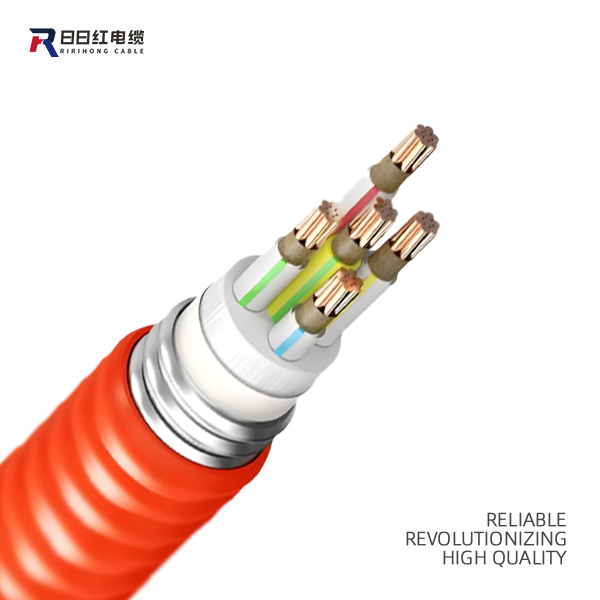
The voltage range of mining cables is crucial for matching the electrical demands of various mining operations. While cables rated at 600V are suitable for light equipment like small drills, cables rated up to 35kV are necessary for large-scale machinery like shovels and draglines. Higher voltage cables ensure that electrical power is distributed efficiently over long distances, minimizing power loss and maintaining equipment performance. It is important to select cables with voltage ratings that align with the specific operational and safety requirements of the equipment used.
The amperage rating of mining cables is determined by the power requirements of the mining equipment it serves. Cables with higher amperage ratings are designed to handle greater electrical loads, preventing overheating and ensuring that power is delivered efficiently to heavy-duty machinery. Properly matching the amperage rating to the equipment ensures that the cable can carry the necessary current without degradation over time. Amperage ratings should be carefully considered based on the electrical consumption of the equipment to maintain optimal cable performance and prevent power-related issues.
When selecting mining cables, it's critical to match the cable's specifications to the mining equipment's requirements. Mobile equipment like drills and shovels need cables that can withstand constant movement, bending, and high mechanical stress. On the other hand, cables used for power distribution in underground operations should be rated for high voltage and designed for stationary installations, offering added protection and resistance to harsh environmental factors. Understanding these differences ensures optimal cable performance and operational safety.
Environmental factors significantly impact the performance and longevity of mining cables. Moisture, extreme temperatures, and chemical exposure can cause degradation over time. For instance, in humid underground environments, cables should be moisture-resistant and capable of handling the stress caused by wet conditions. Chemical resistance is also vital for cables used in mining operations involving acidic or alkaline substances. Choosing cables designed with materials that resist these elements ensures longer cable life and minimizes maintenance needs.
Compliance with safety standards is non-negotiable in mining cable selection. Mining cables must meet industry-specific standards, including those set by IEC, MSHA, and CSA, to ensure safe operation in hazardous environments. For instance, flame-retardant cables are essential in underground mines to reduce fire risks. Additionally, grounding conductors and check wires must be part of the cable system to avoid electric shocks. Ensuring compliance with these standards reduces risks of electrical accidents, protecting both equipment and personnel.
Mining cables are crucial for the safe and efficient operation of mining equipment, whether in surface or underground environments. With their strength, flexibility, and built-in safety features, mining cables ensure continuous power supply and secure communication. Choosing the right mining cable based on specific applications and environmental factors can significantly enhance operational efficiency and safety. At RRH CABLE, we specialize in high-quality mining cables designed for durability and reliability. Our products offer superior performance in extreme conditions, providing value and safety to your mining operations. Regular maintenance and timely replacement of cables ensure consistent power supply and safety in the mining environment.
A: A mining cable is a heavy-duty electrical cable designed for use in the extreme conditions found in mining operations. It provides power and communication signals to mining equipment, withstanding mechanical stress, moisture, and high temperatures.
A: Mining cables are essential because they ensure efficient and safe operation of mining equipment. They withstand harsh environments and provide reliable power to critical equipment like drills, shovels, and ventilation systems.
A: To choose the right mining cable, consider the application, voltage requirements, environmental conditions (like moisture and temperature), and safety standards to ensure optimal performance and safety.
A: Key features of a mining cable include durability, flexibility, and safety. These cables are resistant to abrasion, chemicals, and extreme weather, while also providing flame-retardant and grounding features.
A: The cost of a mining cable varies based on factors like voltage rating, amperage, length, and material quality. High-voltage cables tend to be more expensive due to their specialized construction.
