
Views: 0 Author: Site Editor Publish Time: 2025-11-04 Origin: Site
Ever wondered how electricity reaches your home? Power cables are the answer. They are vital in electrical systems, ensuring seamless energy transmission. In this article, you'll learn what a power cable is, its significance in infrastructure, and various types and components. We'll also cover selecting the right cable and international standards. Stay tuned for insights on applications and future trends.
Power cables are crucial for several key reasons that impact our daily lives and the broader environment.
Power cables serve as the primary pathways for electric energy transmission. They carry electricity from power plants and substations to homes, businesses, and industries. Without reliable power cables, the flow of electricity would be disrupted, causing blackouts or equipment failures. These cables ensure that electricity reaches end users safely and efficiently, maintaining the smooth operation of electrical systems.
In infrastructure construction, power cables form the backbone of electrical networks. They connect power generation sites, substations, and distribution points, creating a vast network that supports cities and industries. This network enables everything from street lighting and public transportation to manufacturing plants and commercial buildings. Properly installed power cables ensure that infrastructure projects meet safety and performance standards.
Efficient power cables contribute significantly to environmental protection. High-quality cables reduce energy losses during transmission, meaning less electricity is wasted. This efficiency leads to lower energy consumption and reduced greenhouse gas emissions. Additionally, modern cables often use materials and designs that minimize environmental impact, helping to support sustainable energy goals.
Note: Choosing power cables that meet high efficiency and durability standards helps reduce energy waste and supports environmental sustainability efforts.
Power cables come in several types, each designed for specific voltage ranges and applications. Understanding these types helps in choosing the right cable for your electrical needs.
Low-voltage power cables handle voltages up to 1,000 volts. They’re commonly used in homes, offices, and light industries. These cables often have insulation made from materials like PVC or cross-linked polyethylene (XLPE). Low-voltage cables are flexible and suitable for wiring electrical outlets, lighting, and small appliances.
Medium-voltage cables operate between 1 kV and 35 kV. They’re essential for urban power distribution, industrial sites, and construction projects. These cables usually feature XLPE or oil-impregnated insulation for durability and high electrical performance. Medium-voltage cables connect substations to transformers and distribute power across neighborhoods or factories.
High-voltage cables carry voltages above 35 kV. They’re used for long-distance power transmission from power plants to substations. These cables must withstand strong electrical loads and harsh environmental conditions. Their insulation and construction are designed to prevent electrical breakdown and ensure safety over extended distances.
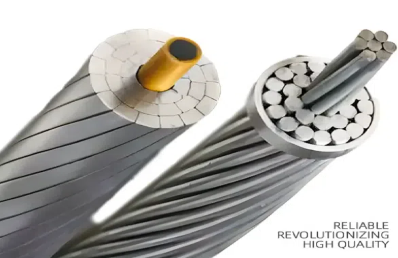
Bare conductors are power cables without insulation. They’re mainly used in overhead transmission and distribution lines. Common materials include aluminum, copper, and steel, chosen for their excellent conductivity and strength. Bare conductors are exposed to the environment and supported by towers or poles.
Note: Choosing the correct power cable type ensures safety, efficiency, and reliability in your electrical system, preventing failures and energy loss.
Power cables consist of several key parts, each designed to ensure safe, efficient electricity transmission. Understanding these components helps in selecting and maintaining the right cable for your needs.
The conductor is the core part that carries electric current. It’s usually made of highly conductive metals like copper or aluminum. Copper offers excellent conductivity and flexibility, while aluminum is lighter and more cost-effective. Conductors come in solid or stranded forms; stranded conductors are more flexible and used where cables need to bend.
Surrounding the conductor is the insulator. Its job is to keep the electrical current inside the conductor and prevent short circuits or accidental contact. Common insulating materials include PVC (polyvinyl chloride), XLPE (cross-linked polyethylene), and EPR (ethylene propylene rubber). These materials resist heat, moisture, and electrical stress, ensuring safety and durability.
Auxiliary elements protect the cable and enhance performance. These may include:
● Screens: Layers of conductive material that help control electrical stress.
● Armour: Steel wire or tape protecting cables from mechanical damage, especially underground or in industrial environments.
● Fillers: Materials used to maintain the cable’s shape and add strength.
● Binders: Keep components tightly together.
These elements extend cable life and improve reliability under tough conditions.
The outer sheath covers all internal layers, shielding the cable from environmental damage. It resists water, chemicals, UV rays, fire, and physical impacts. Common sheath materials are PVC, polyethylene (PE), and rubber. The sheath also provides mechanical strength and flexibility, making the cable suitable for different installation environments.
Note: Selecting cables with appropriate conductor materials, insulation types, and protective layers ensures safety, efficiency, and long service life in your electrical systems.
Choosing the right power cable is crucial for safety, efficiency, and durability in any electrical system. Several key factors influence this decision, including voltage and current requirements, environmental conditions, and cable quality.
The cable must handle the voltage and current your system requires. Power cables are rated for specific voltage levels and current capacities. Using a cable with too low a rating can cause overheating, leading to failures or fire hazards. For example, low-voltage cables suit household wiring, while high-voltage cables serve power transmission over long distances. Always check the maximum voltage and current your devices or systems will draw, then select cables rated above those values to provide a safety margin.
Where you install the cable affects its performance and lifespan. Cables exposed to moisture, chemicals, extreme temperatures, or mechanical stress need special protection. For instance:
● Outdoor cables require UV resistance and waterproof sheaths.
● Underground cables need armoring to prevent damage from soil pressure or rodents.
● Industrial settings might demand fire-resistant or chemical-resistant cables.
If the cable runs through walls or floors, flexibility and ease of installation matter too. Understanding the environment helps you pick cables that withstand those conditions without degrading.
Always choose cables that meet recognized quality and safety standards. Certified cables ensure compliance with international or local regulations, reducing risks of accidents or failures. Standards like IEC, UL, or EN define tests for durability, electrical performance, and fire resistance.
Buying from reputable manufacturers guarantees you get cables tested for real-world conditions. Poor-quality cables might save money upfront but lead to costly repairs or hazards later.
Note: Always match cable ratings to your system’s voltage and current needs, consider environmental factors, and select certified cables to ensure safety and reliability.
International standards ensure power cables are safe, reliable, and perform well worldwide. They set guidelines for design, testing, and quality, helping manufacturers and users choose the right cables for various applications.
The International Electrotechnical Commission (IEC) is the main global body setting standards for electrical products, including power cables. IEC standards cover cable construction, materials, performance, and testing methods. They ensure cables can handle specified voltages, resist environmental stresses, and meet safety requirements.
For example, IEC 60502 specifies power cables rated up to 35 kV, detailing insulation types, conductor sizes, and testing procedures. These standards apply in over 170 countries, making IEC certification a mark of quality and safety.
EN (European Norm) standards are developed by CENELEC for the European market. Many EN standards adopt IEC standards directly, sometimes adding regional requirements.
● IEC standards: International, broad application.
● EN standards: European-focused, may include additional rules for local regulations or environmental concerns.
For instance, EN IEC 60332 deals with fire resistance of cables, harmonizing with IEC but tailored to EU safety laws.
UL (Underwriters Laboratories) standards mainly serve the US market. They focus on safety and performance but are independent of IEC.
● IEC standards: Global, technical specifications and testing.
● UL standards: US-centric, emphasize safety certification and installation guidelines.
Some UL standards base their criteria on IEC, but they often include specific testing methods or safety requirements unique to US codes.
Note: Choosing cables certified to the appropriate international standards ensures compliance, safety, and compatibility for your project’s location and application.
Power cables play a vital role across many settings, from homes to large industrial sites. Understanding where and how they are used helps in selecting the right cable for each application.
In homes, power cables supply electricity to lighting, appliances, and outlets. These cables are usually low-voltage types, rated up to 1,000 volts. They must be flexible, safe, and easy to install inside walls, floors, or ceilings. For example, PVC-insulated cables or cross-linked polyethylene (XLPE) cables are common choices. Proper domestic wiring ensures reliable power for everyday devices like refrigerators, computers, and air conditioners. Safety is crucial here to prevent electrical shocks or fires, so cables often follow strict building codes and safety standards.
Industrial environments demand power cables that can handle higher voltages and tougher conditions. Medium-voltage cables (1 kV to 35 kV) and sometimes high-voltage cables are used to power machinery, lighting, and control systems in factories or plants. These cables often feature robust insulation and armoring to resist heat, chemicals, mechanical stress, and electromagnetic interference. For example, steel wire armored cables protect against physical damage in busy industrial settings. Additionally, fire-resistant cables help maintain power during emergencies, ensuring critical equipment keeps running.
Emergency circuits require cables designed to perform reliably during power outages or hazardous events like fires. Fire-resistant power cables are specially built to maintain circuit integrity under extreme conditions. They supply power to emergency lighting, fire alarms, exit signs, and backup systems. These cables often have special insulation and outer sheaths that resist heat and smoke, helping protect lives and property. In hospitals, data centers, or public buildings, emergency power cables are essential for safety and compliance with regulations.
Tip: When choosing power cables, match the cable type to the specific application—domestic, industrial, or emergency—to ensure safety, durability, and optimal performance.
Power cables are essential for efficient energy transmission, infrastructure, and environmental protection. Future trends in power cable technology may focus on increased efficiency and sustainability. In choosing power cables, consider RRH CABLE for its high-quality products that ensure safety and reliability, providing significant value to your electrical systems.
A: A power cable is an electrical component used to transmit electricity from power sources to various devices and systems, ensuring efficient energy distribution.
A: Power cables form the backbone of electrical networks in infrastructure construction, connecting power generation sites with distribution points to support cities and industries.
A: High-quality power cables reduce energy losses, leading to lower electricity consumption and reduced greenhouse gas emissions, supporting sustainable energy goals.
A: Power cables come in low-voltage, medium-voltage, high-voltage, and bare conductor types, each designed for specific voltage ranges and applications.
A: Select power cables based on voltage and current requirements, environmental conditions, and adherence to quality and safety standards.
