
Views: 0 Author: Site Editor Publish Time: 2025-10-24 Origin: Site
In a world where safety is paramount, flame retardant cables play a critical role. But what exactly are these cables, and why are they so important? Flame retardant cables are designed to resist fire, protecting people and property. In this post, you'll learn about the types of flame retardant cables and their significance in ensuring safety.
Flame retardant cables come in several types, each designed to meet specific safety needs and environmental conditions. Understanding these types helps you choose the right cable for your project.
PVC (Polyvinyl Chloride) insulated cables are among the most common flame retardant cables. They have PVC insulation treated with flame-retardant additives like antimony trioxide or aluminum hydroxide. These additives help the cable resist fire by slowing down flame spread. PVC cables are widely used in indoor wiring, power distribution, and building infrastructure due to their cost-effectiveness and reliable fire resistance.
LSZH cables are made from materials that do not contain halogens, such as chlorine or bromine. When exposed to fire, they produce very little smoke and no toxic halogen gases, which makes them safer for people and sensitive equipment. LSZH cables often use materials like cross-linked polyethylene (XLPE) or ethylene propylene rubber (EPR). These cables are ideal for confined spaces, public buildings, and places with strict fire safety rules.
Fire resistant cables are built to keep working during a fire. They use special materials like mica tape or ceramic fibers to withstand extreme heat. This construction prevents electrical failure when temperatures soar. Fire resistant cables are crucial in emergency systems such as fire alarms, emergency lighting, and evacuation routes where continuous operation during fire is essential.
Armored flame retardant cables add a layer of metal armor, usually steel or aluminum, around the cable. This armor protects the cable from physical damage and enhances fire resistance by acting as a barrier. These cables are perfect for harsh environments like industrial sites, outdoor installations, and underground applications where mechanical protection is necessary along with fire safety.
Note: Choosing the right type of flame retardant cable depends on the environment and safety requirements, so always consider the specific application before making a selection.
Flame retardant cables are classified based on how well they resist fire and its effects. International standards set the rules for testing and rating these cables. These classifications help engineers and safety experts choose the right cables for different environments.
The IEC 60332 standard comes from the International Electrotechnical Commission. It focuses on flame propagation along a cable's length. The tests involve exposing cables to a flame either vertically or horizontally. The goal is to see how far and fast flames spread on the cable. Cables passing higher IEC 60332 levels show better resistance to flame spread. This standard is widely used globally to ensure cables reduce fire risks in buildings and industrial setups.
BS 6387 is a British standard that tests cables under tough fire conditions. It checks if cables can keep working while exposed to fire, water spray, and mechanical shocks. This is important for cables used in emergency systems. BS 6387 classifies cables into categories based on how long they survive these harsh tests. For example, CWZ cables can withstand fire, water, and mechanical impact simultaneously for a set time. This standard is crucial for fire alarm systems, emergency lighting, and evacuation routes where cable failure is not an option.
UL 94 is a flammability standard from Underwriters Laboratories, mainly for plastic materials used in cable insulation and sheathing. It classifies materials by how easily they ignite and how quickly they stop burning. Ratings like V-0, V-1, and V-2 indicate different levels of flame resistance. V-0 is the highest rating, meaning the material stops burning very quickly without dripping flaming particles. UL 94 helps manufacturers choose safe insulation materials that limit fire hazards in cables.
Tip: Always check the specific flame retardant standard required for your project’s location and application to ensure compliance and safety.
Flame retardant cables play a vital role in many industries where fire safety is critical. Their ability to resist fire helps protect people, equipment, and infrastructure from catastrophic damage. Here’s a closer look at where these cables are commonly used:
In commercial and residential buildings, flame retardant cables are essential for wiring electrical systems safely. They are used in power distribution, lighting, and communication networks inside walls, ceilings, and floors. These cables help prevent fire spread in occupied spaces like offices, apartments, schools, and hospitals. For example, flame retardant cables in stairwells and emergency exits ensure safe evacuation during fire emergencies.
Factories, manufacturing plants, and chemical processing sites often face fire risks due to machinery and flammable materials. Flame retardant cables are used here to maintain control systems, instrumentation, and motor connections. Their fire resistance ensures continuous operation of critical equipment during fire incidents, reducing downtime and hazards. They also help protect workers by minimizing fire spread in hazardous zones.
Railways, airports, tunnels, and subways rely on flame retardant cables to maintain safe electrical and communication networks. These cables withstand harsh environmental conditions and potential fire hazards in confined spaces. For instance, flame retardant cables in train carriages and airport terminals reduce toxic smoke and flame spread, protecting passengers and staff.
Offshore platforms, drilling rigs, and refineries require cables that can resist extreme heat, corrosive environments, and fire risks from hydrocarbons. Flame retardant cables in this sector ensure safety and reliability for power supply, control systems, and emergency communication. Their robust construction helps prevent accidents and environmental disasters in these high-risk areas.
Data centers house critical IT equipment that must remain operational during fire events to avoid data loss and downtime. Flame retardant cables are widely used in server rooms, network racks, and power distribution units. They reduce smoke and toxic gas emissions, protecting sensitive electronics and enabling safe evacuation of personnel.
Tip: When selecting flame retardant cables, consider the specific environment and fire risks of your application to ensure optimal safety and compliance.
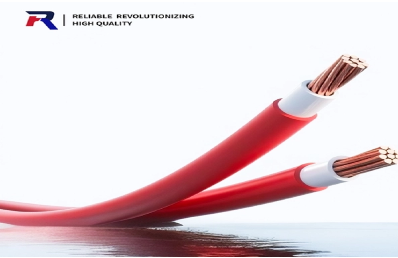
Flame retardant cables offer significant benefits that go beyond just resisting fire. They play a crucial role in enhancing safety, ensuring compliance with regulations, and protecting vital infrastructure. Here's a detailed look at their main advantages:
Flame retardant cables are designed to slow down or stop the spread of fire along their length. This feature helps contain fires to a smaller area, reducing damage and giving people more time to evacuate safely. These cables also limit the production of smoke and toxic gases, which are often the leading cause of injuries and fatalities in fire incidents. By lowering smoke density and toxicity, flame retardant cables improve visibility and air quality during emergencies, making escape routes safer.
Using flame retardant cables ensures compliance with strict fire safety regulations and building codes. Standards such as IEC 60332, BS 6387, and UL 94 set clear benchmarks for flame resistance, smoke emission, and toxicity. Choosing cables that meet these standards helps businesses and building owners avoid legal issues and penalties. It also assures insurance companies that proper fire prevention measures are in place, potentially lowering insurance premiums.
Critical infrastructure like hospitals, data centers, transportation hubs, and industrial plants rely heavily on continuous electrical power and communication. Flame retardant cables help protect these systems from fire damage, reducing the risk of costly downtime or catastrophic failures. For example, in a hospital, flame retardant cables ensure that emergency lighting and life-support systems remain operational during a fire. In data centers, they safeguard sensitive equipment from smoke and heat damage, preventing data loss and service interruptions.
Tip: Always verify that your flame retardant cables meet the latest fire safety standards relevant to your industry to maximize protection and regulatory compliance.
Understanding how flame retardant cables differ from ordinary cables is key to choosing the right wiring for safety and performance.
Flame retardant cables are made to resist fire spread along their length. They use materials or additives that slow down or stop flames. Ordinary cables lack this feature and can catch fire easily, allowing flames to spread quickly. This makes flame retardant cables essential in places where fire safety is critical.
The insulation and sheathing materials in flame retardant cables are specially designed to handle high heat and prevent combustion. These may include halogen-free compounds, mica tape, ceramic fibers, or flame-retardant PVC. Ordinary cables often use standard PVC or XLPE insulation without these fire-resistant properties. For example, flame retardant cables might contain aluminum hydroxide or antimony trioxide additives, which release water vapor when heated, cooling the cable and slowing fire.
Flame retardant cables meet strict safety standards such as IEC 60332, BS 6387, and UL 94. These standards test flame spread, smoke emission, and toxicity. Ordinary cables might not meet these tests, posing higher fire risks. Using cables that comply with these standards ensures safer installations and often is required by building codes.
Flame retardant cables are used in areas where fire risk is high or where fire damage would be severe—like hospitals, industrial plants, or public transport systems. Ordinary cables may be fine for low-risk areas but aren’t suitable for critical or high-occupancy environments.
Flame retardant cables typically cost more than ordinary cables. This is due to the special materials and manufacturing processes needed for fire resistance. However, the higher price is often justified by the enhanced safety and potential reduction in fire damage costs. Investing in flame retardant cables can prevent costly repairs, downtime, and save lives.
Tip: When planning a project, balance cost against safety needs—invest in flame retardant cables where fire risk or regulations demand it, ensuring long-term protection and compliance.
Flame retardant cables, including PVC, LSZH, and armored types, enhance fire safety by resisting flame spread and reducing smoke emissions. They are crucial in protecting infrastructure and ensuring compliance with safety standards. As fire safety regulations evolve, the demand for advanced flame retardant cables will grow. RRH CABLE offers an extensive range of high-quality flame retardant cables, providing reliable solutions tailored to specific safety needs and environments, ensuring optimal protection and compliance for various applications.
A: A Flame Retardant Cable is designed to resist fire spread by using materials or additives that slow down or stop flames, enhancing safety in various applications.
A: PVC Insulated Flame Retardant Cables are used in indoor wiring and power distribution due to their cost-effectiveness and reliable fire resistance.
A: LSZH Flame Retardant Cables produce minimal smoke and no toxic halogen gases, making them safer for people and sensitive equipment.
A: Armored Flame Retardant Cables provide mechanical protection and enhanced fire resistance, ideal for harsh environments.
A: Flame Retardant Cables resist fire spread, comply with safety standards, and are used in high-risk areas, unlike ordinary cables.
