
Views: 0 Author: Site Editor Publish Time: 2026-01-14 Origin: Site
Low voltage cables are essential in powering homes, businesses, and industries. These cables operate at lower voltages than standard household outlets, ensuring safer and more efficient electrical systems. In this article, we'll explore what defines low voltage, the typical voltage ranges, and how to choose the right cables. You'll gain insight into various applications and best practices for low voltage systems.
Low voltage is generally defined as electrical systems that operate at voltages less than 1,000V (1kV). For many industries, anything below 1,000V is classified as low voltage, but some regions and standards also consider voltages as low as 50V to be in the low voltage category. For example, low voltage cables typically cover voltages like 12V, 24V, 48V, 450/750V, and 600/1000V depending on the application. These systems are used for less demanding power requirements and typically have lower risks compared to higher voltage systems.
Below is a more detailed, structured comparison table that covers the key aspects of Low Voltage (LV), Medium Voltage (MV), and High Voltage (HV) systems. The table has been expanded to include voltage ranges, typical applications, technical specifications, important considerations, and best practices for each classification.
| Voltage Classification | Voltage Range | Typical Applications | Use Cases | Key Technical Specifications | Installation Considerations | Safety & Compliance |
|---|---|---|---|---|---|---|
| Low Voltage (LV) | Up to 1,000V | Residential wiring, commercial power systems, low-voltage industrial systems | Lighting, household appliances, data networks | Voltage ratings: 450/750V, 600/1000V; Insulation: PVC, XLPE | Flexible, easy installation; can be installed by general electricians | Complies with NEC and IEC standards; minimal risk of electrical shock |
| Medium Voltage (MV) | 1,000V to 35,000V | Industrial machinery, commercial power distribution, utility substations | Control panels, transformers, motors | Voltage ratings: 3kV, 6kV, 15kV, 35kV; Insulation: XLPE, EPR | Requires specialized installation techniques; typically uses armored cables | Must follow stricter safety standards and regulations; high risk of electrocution without proper safety gear |
| High Voltage (HV) | Above 35,000V | Long-distance power transmission, large-scale industrial systems | Power plants, substations, high-voltage transmission lines | Voltage ratings: 69kV, 110kV, 220kV, 500kV; Insulation: High-strength, oil-filled, SF6 | Requires high-specialized equipment; often installed underground or in remote locations | Must comply with national and international safety codes; requires certified personnel |
Tip: When working with medium or high voltage systems, always engage certified professionals for installation and maintenance. Safety protocols must be strictly adhered to in order to mitigate risks associated with high-power electrical systems.
Extra-low voltage (ELV) refers to systems that operate at voltages significantly below the low voltage range, typically under 50V. Examples of ELV systems include doorbells, security alarms, and certain types of outdoor lighting. These systems offer the highest safety, as they pose minimal electrical hazards, making them ideal for consumer-grade and low-risk applications.
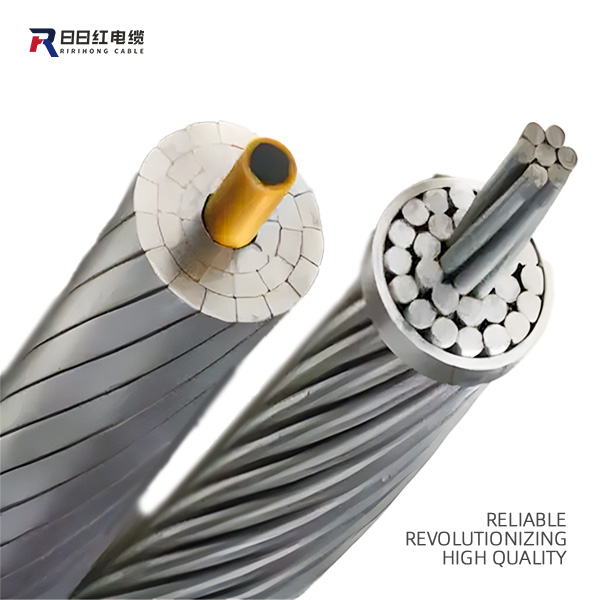
Low voltage cables typically cover a voltage range up to 1,000V (1kV). This voltage range is commonly used for building wiring, power distribution, and general industrial use. Cables rated for 450/750V and 600/1000V are typical for these applications. Residential wiring often falls into this category, with cables used to power lights, outlets, and home appliances. These cables are also widely used in industrial power distribution systems to ensure safe and efficient power delivery.
In some industrial environments, low voltage cables are used with specific voltage ratings, often up to 600V. These are commonly employed in control systems, automation equipment, and other machinery where higher voltage is not required. For example, industrial machines that require reliable, safe control signals will typically use cables rated for 600V. This ensures that the power delivered to machinery is adequate without exceeding safety limits.
In residential settings, low voltage cables are often used for applications like lighting control, security systems, and thermostats. Common voltage ratings for these systems include 12V, 24V, and 48V. In commercial settings, low voltage cables are crucial for powering network infrastructure, lighting systems, and audio-visual equipment. The lower voltage reduces the risk of electrical accidents while maintaining efficient power delivery.
The definition of low voltage can vary across different international and regional standards. For instance:
IEC Standard (International): Defines low voltage as systems up to 1,000V AC.
ANSI/IEEE Standard (North America): Often defines industrial low voltage systems up to 600V AC. These standards help to ensure that low voltage cables meet safety, performance, and regulatory requirements across different regions.
Different countries may have their own regulations regarding low voltage cable applications. For example, in the UK, the BS 7671 standard defines low voltage as systems between 50V and 1,000V AC, distinguishing this from extra-low voltage systems that fall below 50V. Understanding local regulations is crucial for ensuring compliance with safety standards, as these can impact the design, installation, and use of low voltage systems in residential, commercial, and industrial environments.
Low voltage cables are commonly used in residential settings to power a variety of systems. For example:
Lighting: Low voltage lighting systems, including landscape lighting, are often powered by 12V or 24V cables, providing efficient and safe illumination for homes and outdoor spaces.
Security Systems: Alarm systems, including video surveillance and sensors, rely on low voltage cables (often 12V or 24V) to operate continuously without significant energy consumption.
In commercial buildings, low voltage cables are essential for powering data networks, lighting systems, and security equipment. For example:
Control Systems: Industrial control systems and automation equipment frequently use cables with a voltage range up to 600V to manage processes safely and efficiently.
Commercial Lighting: Low voltage cables are used to connect and control lighting systems, ensuring reliable power delivery and safety in offices, shops, and factories.
Low voltage cables are also widely used in telecommunications and data networks. For example:
Ethernet and Fiber Optic Networks: Cables like Cat6 are used for high-speed data transmission in homes and businesses, while fiber optic cables are employed for long-distance, high-speed communication.
Audio-Visual Equipment: Low voltage cables are critical for connecting devices such as speakers, intercom systems, and video equipment, ensuring seamless communication and entertainment experiences.
Choosing the correct low voltage cable depends largely on the voltage requirements of the specific application. For example, a 12V cable may be suitable for a doorbell or small lighting system, while a 48V cable is ideal for Power over Ethernet (PoE) systems. Ensuring the right voltage range helps to prevent electrical issues and maintain system efficiency.
Low-voltage projects often mix power and control lines. If you match cable type to the current source early, you reduce heat, voltage drop, and troubleshooting later.
| Dimension | AC Low Voltage Cable | DC Low Voltage Cable |
|---|---|---|
| Current behavior | Alternates direction each cycle | Flows in one direction |
| Most common sources | Utility transformer secondary, building low-voltage power supplies | Batteries, rectifiers, DC power supplies, PoE injectors/switches |
| Typical voltage examples (needs verification) | 24V AC controls, some door chimes, HVAC control transformers | 12V/24V DC controls, 48V DC PoE, LED drivers, access control |
| Typical B2B applications | HVAC control circuits, some building automation interfaces, doorbell/control transformers | Security cameras (PoE), access control panels, sensors, LED strips/lighting drivers, telecom backup power |
| Cable rating focus | RMS voltage rating, insulation class, temperature rating | Voltage rating + polarity marking, DC insulation suitability, continuous load heating |
| Connector/termination habits | Termination usually polarity-agnostic; standard screw terminals common | Polarity sensitive; consistent “+ / –” labeling and keyed connectors preferred |
| Voltage drop risk drivers | Dependent on run length, current, conductor size; waveform impacts equipment tolerance | Often more sensitive for LEDs/sensors; long runs need thicker gauge or higher DC bus voltage |
| Interference considerations | Can induce hum in audio/control if routed poorly; separation helps | Switching DC supplies can create EMI; shielding/segregation helps in noisy areas |
| Protection devices | Fuses/breakers sized for AC circuits; transformer protection common | DC-rated fuses/breakers required; arc quenching differs from AC |
| Common “wrong pairing” symptom | Controls chatter or transformer overheating (needs verification) | LEDs dim/flicker, cameras reboot under load, PoE devices drop link (needs verification) |
| Good practice selection rule | Match cable insulation rating to system voltage class and environment (heat, oil, UV) | Match cable to voltage + continuous current, confirm polarity management and DC-rated protection |
Tip: For B2B installs, standardize on one DC distribution level where possible (often 24V or 48V), then size conductor gauge using worst-case load and run length to control voltage drop.
Low voltage cables are equipped with specific insulation materials to protect against electrical interference and environmental factors. Common insulation materials include PVC, XLPE, and elastomers. These materials help maintain the cable’s durability and ensure safe operation by preventing accidental contact with other electrical systems.
Low voltage systems are designed to use significantly less power compared to high voltage systems. This results in not only lower energy consumption but also reduced operational costs over time. Additionally, lower power requirements translate to less heat generation, which minimizes the risk of overheating and electrical fires. The inherent safety of low voltage cables also reduces the need for extensive protective equipment, making them a safer choice for residential and commercial environments.
The compact size of low voltage cables makes them easier to install in tight spaces, especially in residential and commercial buildings where infrastructure may already be in place. Their lightweight and flexible nature allow for faster, less labor-intensive installation, which lowers the overall cost. Furthermore, low voltage systems are easily scalable, enabling cost-effective future upgrades without the need for complete system overhauls, ensuring long-term value.
Because low voltage systems operate at significantly lower power levels, the risk of electrocution is far less compared to high voltage systems. This makes them ideal for environments such as schools, hospitals, and residential homes where safety is a critical concern. Even in the event of accidental contact, low voltage cables are less likely to cause severe harm, adhering to safety standards that minimize electrical shock risks.
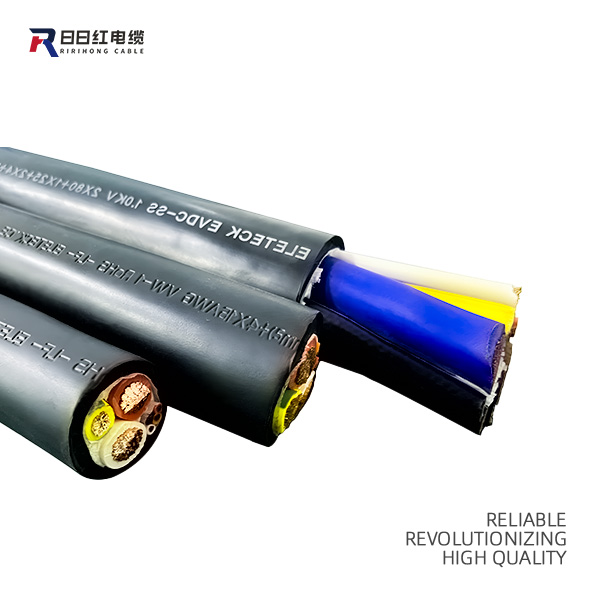
When designing low voltage systems, it’s important to factor in potential future demands. Planning for scalability, such as installing additional conduit or cable runs at strategic points, can make future upgrades or expansions easier and more cost-effective. Additionally, using cables that exceed current power needs ensures they can handle future loads without compromising performance. Over-sizing cables can prevent costly issues in the long run, especially in environments with growing technology or changing regulatory requirements.
Strict adherence to safety standards like the National Electrical Code (NEC) or IEC regulations ensures that low voltage systems remain functional and safe throughout their lifespan. These standards dictate everything from the correct insulation to the maximum current carrying capacity, minimizing electrical hazards. Professional installation not only guarantees compliance but also reduces the likelihood of issues such as overheating, electrical faults, and system inefficiencies. Regular inspections and certifications further enhance system integrity.
Improper installation of low voltage cables can lead to long-term issues like poor performance, signal interference, or even fire hazards. Common mistakes include using cables with inappropriate voltage ratings, which can result in overheating or failure, and poor physical handling of cables, leading to damage or reduced lifespan. Ensuring proper cable routing, avoiding tight bends, and using cable clips to secure them in place can minimize the risk of degradation. Correctly labeling cables also ensures easy identification and maintenance.
Low voltage cables are essential components in modern electrical systems, providing safe and energy-efficient solutions for diverse applications. Understanding the voltage range and selecting the appropriate cable type is crucial for ensuring system reliability and safety in residential, commercial, and industrial environments. Whether for lighting, data transmission, or industrial machinery, low voltage cables play a key role in maintaining optimal performance. For projects requiring low voltage cables, companies like RRH CABLE offer high-quality products designed to meet the highest standards of safety and efficiency. Their cables provide lasting value and reliable performance, ensuring smooth operations in any setting.
A: A low voltage cable typically operates at voltages up to 1,000V. Common voltage ratings include 450/750V, 600/1000V, and lower voltages like 12V or 24V, used for specific applications such as lighting or control systems.
A: When selecting a low voltage cable, consider the voltage requirements of your system, such as 12V for lighting or 48V for Power over Ethernet (PoE). Ensure the cable’s insulation and current ratings match your specific needs.
A: Low voltage cables operate at lower power levels, which reduces the risk of electrical shock or fire. These cables are ideal for applications where safety is a top priority, such as in homes, schools, and healthcare facilities.
A: Yes, low voltage cables are widely used in commercial settings, such as powering lighting systems, control circuits, and network infrastructure. They are energy-efficient and reduce the risk of electrical hazards in public or workspaces.
A: The cost of installing low voltage cables depends on the length, voltage rating, and type of cable used. Typically, low voltage cables are more affordable to install than high voltage cables, thanks to their smaller size and easier installation.
