
Views: 0 Author: Site Editor Publish Time: 2026-01-12 Origin: Site
Flame-retardant cables are crucial for modern fire safety systems. They limit fire spread and offer protection during emergencies. Unlike fire-resistant cables, they focus on containing fire to specific areas, reducing damage and enhancing safety. In this article, we will discuss the key features of flame-retardant cables and why they are essential for both residential and industrial safety. You will learn how they work, their benefits, and how to choose the right type for your needs.
Flame-retardant cables are designed to limit the spread of fire along the cable’s length. They work by either slowing down or stopping the combustion process when exposed to flames. These cables are essential for improving fire safety in both residential and industrial environments, where the main objective is to contain the fire rather than keep systems running during a fire. The key feature of flame-retardant cables is their ability to prevent fire from spreading rapidly, giving occupants more time to evacuate safely.
The primary purpose of a flame-retardant cable is to slow or stop the fire from advancing along its length. This is achieved by using specific materials or chemicals that either form a protective barrier or release fire-suppressing gases. When the cable catches fire, the flame will either die out once the heat source is removed, or it will be contained within a localized area, preventing it from reaching other parts of the building. This feature is vital for protecting both infrastructure and human life during a fire event.
Flame-retardant cables play a crucial role in building fire safety systems. By containing the fire to specific areas, these cables reduce the risk of extensive damage, minimize the production of toxic smoke, and allow for a safer and more efficient evacuation. In commercial, residential, and industrial settings, flame-retardant cables are widely used in non-critical systems like lighting, power circuits, and general electrical applications. These systems do not need to continue operating during a fire, but they must prevent fire from spreading.
Flame-retardant additives play a key role in the functionality of these cables. These chemicals work by altering the combustion process. Some flame retardants act by forming a protective layer, such as a carbonized char, which insulates the cable from heat, while others release non-flammable gases that dilute the oxygen supply, thereby preventing the fire from spreading. The combination of these chemical reactions effectively prevents the cable from sustaining a fire.
Understanding the physical mechanisms behind flame-retardant cables is essential for selecting the right product. The following table outlines the key physical mechanisms, their application scenarios, technical specifications, and considerations to help professionals make informed decisions.
| Mechanism | Description | Application Scenarios | Technical Specifications | Considerations |
|---|---|---|---|---|
| Cooling Mechanism | Flame-retardant additives absorb heat, reducing the temperature of the material, thereby slowing fire spread. | High-load cable systems, environments prone to rapid temperature increases. | Cooling Temperature: Flame-retardant additives lower the temperature to a controlled range. | Ensure the additives are effective in reducing cable temperatures to prevent overheating. |
| Protective Layer Formation | A carbonized layer or solid/gaseous barrier forms around the cable, isolating the fuel from the heat source and preventing combustion. | Critical areas such as control rooms, server rooms, etc. | Barrier Thickness: The protective layer must meet specific thickness requirements for effective thermal isolation. | Ensure complete coverage to avoid local failure in the protective layer. |
| Dilution Mechanism | Flame-retardant cables release inert gases, diluting the concentration of oxygen and combustible gases, thus preventing ignition. | High fire-risk areas such as oil rigs, chemical plants. | Gas Release Amount: Sufficient inert gases like nitrogen or water vapor must be released to dilute oxygen levels. | Ensure the inert gases meet safety standards and are effective in reducing the risk of ignition. |
Tip:For high-temperature environments, selecting cables with an effective cooling mechanism can significantly reduce the speed of fire spread and minimize potential damage.
When flame-retardant cables are exposed to fire, they typically exhibit self-extinguishing properties. The cable will stop burning once the external fire source is removed, or if the fire cannot spread due to the fire-resistant materials. This feature is essential in reducing the duration of fire exposure and preventing extensive damage. Flame-retardant cables provide a critical window of time for emergency responders and building occupants to react and evacuate.
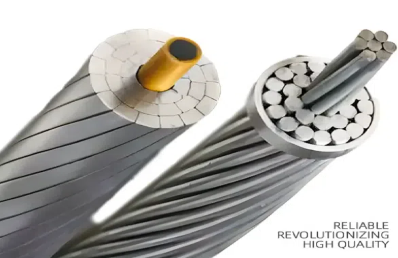
A key feature of flame-retardant cables is their ability to self-extinguish once the fire source is removed or contained. This is primarily achieved through the use of flame-retardant additives that form a protective barrier or inhibit combustion. When the external flame is extinguished, the cable’s material prevents continued burning, significantly reducing fire spread. This self-extinguishing property is crucial in minimizing damage and preventing fires from rapidly advancing through cable systems, giving occupants more time to evacuate and improving overall fire safety in buildings.
Flame propagation control is crucial, especially in environments where multiple cables are installed in proximity. The table below outlines the key features of reduced fire propagation, application scenarios, and technical standards, providing guidance for selecting the most suitable cables.
| Feature | Description | Application Scenarios | Technical Standards | Considerations |
|---|---|---|---|---|
| Reduced Fire Propagation | Flame-retardant cables use special materials and chemical additives to prevent fire from spreading along the length of the cable. | Public buildings, commercial spaces, residential areas. | IEC 60332-1: Single cable flame spread test; IEC 60332-3: Cable bundle flame spread test. | Ensure that the cable sheath and core comply with the fire propagation test standards. |
| Limit Linear Fire Spread | Cable designs inhibit flames from extending along the cable, containing the fire to a localized area. | Hospitals, schools, and high-traffic areas with high occupancy. | UL VW-1: Vertical flame test rating; BS EN 60332: Fire spread limitation test standard. | During cable bundling installation, ensure compliance with fire spread standards. |
| Choice of Fire-Resistant Materials | The insulation, sheath, and auxiliary materials of the cable are made from flame-retardant substances, enhancing fire resistance. | Underground parking lots, tunnels, pipelines where strict fire protection is necessary. | IEC 61034: Smoke density measurement; IEC 60754: Acid gas release test. | Ensure that the materials used meet the latest fire safety standards to avoid risk from substandard materials. |
Tip:For buildings with higher fire risks, choosing cables that meet IEC and UL standards for flame spread limitation can effectively enhance overall fire safety.
Many modern flame-retardant cables come in low smoke zero halogen (LSZH) variants. These cables not only slow down fire propagation but also minimize the release of toxic gases and thick smoke when burned. This feature improves visibility during evacuations and reduces health risks to occupants and first responders. LSZH cables are particularly important in enclosed or high-traffic areas like airports, subways, and hospitals.
Flame-retardant cables must comply with international standards to ensure their effectiveness in fire safety applications. The most common standards for testing flame spread include IEC 60332-1-2 for single cables and IEC 60332-3 for bundled cables. These standards assess the ability of cables to resist flame propagation when exposed to fire for a specific duration, ensuring the cable meets fire safety expectations.
Flame-retardant cables are often labeled with certifications such as VW-1 and UL 1581, which indicate that the cables have successfully passed rigorous flame-retardant testing, including vertical flame propagation and fire exposure tests. These certifications ensure that the cables are capable of resisting fire spread along their length. In addition to these, other important standards include IEC 60332 for flame spread testing and BS EN 60332 for multiple cable configurations. Always verify these certifications when selecting cables for critical applications, as they provide assurance that the cables meet international safety standards and will perform as expected in fire conditions.
Testing for flame retardancy is crucial to determining the cable’s performance in a fire scenario. Standard testing methods include applying a flame to the cable and measuring how long it takes for the fire to spread along the cable length. The most common test methods include IEC 60332-1-2, which tests a single cable, and IEC 60332-3, which tests a bundle of cables. The results from these tests provide essential data on the cable's fire containment capabilities.
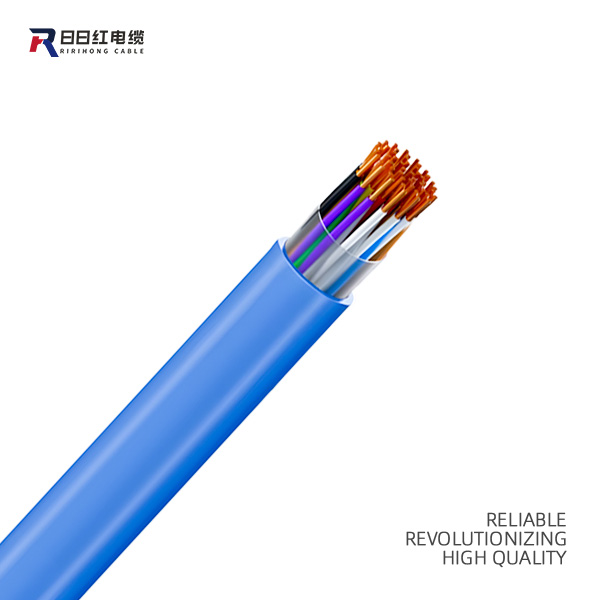
Flame-retardant cables are ideal for a variety of applications, including residential buildings, office spaces, and industrial environments. These cables are typically used in non-critical systems, such as lighting circuits, power supplies, and electrical wiring. Since these systems do not need to operate during a fire, the primary goal is to prevent the fire from spreading quickly.
When selecting flame-retardant cables for a project, several installation factors must be considered. For instance, environments with higher fire risks or limited ventilation require low smoke zero halogen (LSZH) cables to reduce smoke and toxic gas emissions. Additionally, it’s important to ensure that the cable material is compatible with the specific environmental conditions, such as temperature fluctuations or exposure to chemicals.
While flame-retardant cables offer significant safety benefits, they are typically more expensive than standard cables. However, the added cost is often justified by the enhanced safety features they provide. When planning a project, it is crucial to balance the cost with the safety needs of the system, ensuring the appropriate type of cable is selected without compromising fire safety.
The primary distinction between flame-retardant and fire-resistant cables lies in their function during a fire. Flame-retardant cables slow or prevent the spread of fire, while fire-resistant cables are designed to continue functioning during a fire, maintaining circuit integrity for a specified time. This difference is crucial when selecting the right cable for critical systems that must remain operational in an emergency.
Flame-retardant cables are ideal for applications where the primary goal is to slow or stop fire spread, such as lighting circuits, general power supplies, and non-critical systems. These systems don’t need to function during a fire but must contain the fire to prevent it from spreading to vital areas. Fire-resistant cables, however, are critical in life-safety systems like fire alarms, emergency lighting, and sprinkler systems, where they must continue operating under fire conditions to ensure occupant safety.
Using flame-retardant cables in life-safety systems can be a costly mistake. While they are designed to limit fire spread, flame-retardant cables stop functioning once exposed to flames, which can disrupt essential systems. Fire-resistant cables, by contrast, are engineered to maintain circuit integrity during a fire, ensuring critical systems like alarms and emergency lighting remain operational. It’s crucial to match the cable type with the application’s fire safety requirements to prevent failure during emergencies and comply with building safety standards.
Flame-retardant cables are crucial in preventing the rapid spread of fire and minimizing damage during emergencies. These cables are essential for non-critical circuits like lighting and power supply, where fire containment is a priority. Understanding their features, standards, and proper application helps ensure safety. Products like those offered by RRH CABLE provide reliable flame-retardant solutions, offering valuable protection with enhanced safety features, making them ideal for various residential, commercial, and industrial applications.
A: A flame retardant cable is designed to slow or stop the spread of fire along its length. It helps to contain fire in specific areas, reducing damage during fire emergencies.
A: Flame retardant cables play a crucial role in preventing fire spread, giving occupants more time to evacuate safely. They are ideal for non-essential circuits where fire containment is a priority.
A: Flame retardant cables use chemical and physical mechanisms, such as protective layers or fire-suppressing gases, to slow down combustion, limiting the fire's spread.
A: Flame retardant cables are commonly used in residential, commercial, and industrial settings, especially for lighting and power circuits that don't need to operate during a fire but must prevent fire spread.
A: Flame retardant cables can be more expensive than standard cables due to their added safety features. However, the investment is often justified by the enhanced protection they offer in fire scenarios.
