
Views: 0 Author: Site Editor Publish Time: 2025-11-10 Origin: Site
As modern infrastructure becomes increasingly electrified and interconnected, the demand for fire-safe electrical systems has never been greater. From high-rise buildings and industrial plants to data centers and electric vehicles, electrical cables are the circulatory system of modern energy distribution. Yet, they are also potential ignition sources when exposed to excessive heat, short circuits, or electrical faults.
Traditional cable materials—though effective in conductivity and flexibility—can burn easily and release dense smoke or toxic gases when ignited. Such emissions can hinder evacuation, damage equipment, and pose severe health risks. Consequently, flame retardant cables have become a critical component of safety engineering across multiple industries.
A flame retardant cable is designed to resist the spread of fire and reduce the emission of smoke and corrosive gases during combustion. Unlike standard PVC or rubber-insulated cables, these cables incorporate specially engineered materials—either in their insulation, sheathing, or both—to prevent fire propagation and ensure safe circuit integrity.
These cables are classified according to various international standards such as IEC 60332, UL 1581, and EN 50266, which test flame spread, smoke density, and halogen acid gas emissions.
Flame retardant cables are typically evaluated based on:
Flame propagation: The ability to self-extinguish once the ignition source is removed.
Smoke emission: The amount and opacity of smoke produced during combustion.
Toxicity: The presence of harmful gases such as hydrogen chloride, bromine, or fluorine.
Heat release rate: The total heat output, which correlates with fire severity.
The evolution of flame retardant cable materials reflects a continuous pursuit of safety, sustainability, and performance. The earliest flame retardant cables relied heavily on halogen-based additives, particularly chlorinated and brominated compounds. These materials were extremely effective at suppressing flames by releasing halogen radicals that interrupt the combustion chain reaction. However, when burned, they produced dense smoke and corrosive gases such as hydrogen chloride or hydrogen bromide. In enclosed environments—such as tunnels, ships, and high-rise buildings—these emissions posed serious secondary hazards, including equipment corrosion, visibility loss, and respiratory damage to occupants.
In response to these safety and environmental concerns, researchers and manufacturers began developing low-smoke, halogen-free flame retardant (LSHF or LSZH) materials. The goal was to maintain excellent fire resistance while minimizing toxic gas release and improving long-term reliability. These innovations marked a major shift toward eco-friendly materials that balance fire safety, environmental protection, and mechanical durability.
Halogenated flame retardants operate by forming a protective gas layer that interferes with combustion. While effective, the resulting hydrogen halides and thick smoke make them unsuitable for modern safety standards. In contrast, halogen-free flame retardants (HFFR) rely primarily on mineral fillers such as:
Aluminum hydroxide (ATH)
Magnesium hydroxide (MDH)
Zinc borate
These minerals decompose endothermically, meaning they absorb heat during combustion and release water vapor that cools the polymer and dilutes combustible gases. This reaction not only slows flame spread but also produces minimal smoke and non-toxic residues. As a result, halogen-free cables significantly reduce fire risks while improving air quality and post-fire cleanup safety.
Modern flame retardant cables go beyond chemical additives; they integrate advanced polymer engineering for optimized performance. Common base polymers include:
Cross-linked polyethylene (XLPE) – renowned for its heat resistance and mechanical strength, ideal for power transmission and distribution.
Ethylene-vinyl acetate (EVA) – offers flexibility and inherent flame resistance, often used in flexible cables and consumer electronics.
Polyolefin blends – provide halogen-free insulation with stable dielectric properties, ensuring reliable electrical performance.
By carefully combining these polymers with optimized filler systems and cross-linking technologies, manufacturers achieve cable designs that are not only flame retardant but also durable, flexible, and energy-efficient. These advancements make modern flame retardant cables suitable for residential, industrial, and transportation applications, aligning with today’s safety and environmental standards.
One of the most transformative trends in cable materials is the development of nanocomposite flame retardants. By dispersing nano-sized particles such as clay, silica, or graphene oxide into polymer matrices, manufacturers can achieve superior flame retardancy with lower additive loading.
Benefits of nanocomposites include:
Improved barrier effect to heat and gases
Enhanced mechanical and thermal stability
Reduced dripping during combustion
Lower density and better processability
For example, nano-clay/MDH hybrid systems create a compact char layer that insulates the polymer from heat and oxygen, effectively slowing flame spread without compromising flexibility.
Intumescent flame retardant systems are another major advancement. These materials expand and form a foamed char layer when exposed to heat. The char layer acts as a barrier, blocking oxygen and heat transfer to the underlying material.
Typical intumescent systems combine three components:
Acid source
Carbon source
Blowing agent
Together, these create a multi-layered protective coating that delays ignition and minimizes heat release, providing excellent fire protection for cable insulation and sheathing.
Phosphorus compounds are gaining popularity as eco-friendly alternatives to brominated and chlorinated systems. They function through multiple mechanisms, including:
Promoting char formation in the condensed phase
Inhibiting flame radicals in the gas phase
Reducing smoke and toxic gas generation
Organophosphorus compounds, such as phosphate esters and phosphinate salts, can be integrated into polymer chains or used as additives, providing long-term flame retardancy with excellent aging resistance.
Silicone rubber and cross-linked polymer systems are increasingly used in high-performance cables. They maintain flexibility and insulation integrity even at extreme temperatures.
Silicone flame retardants generate a stable silica residue upon burning, which acts as a protective shield.
Cross-linking technologies (via peroxide, silane, or radiation) enhance the thermal, mechanical, and chemical stability of insulation layers, extending service life and fire resistance.
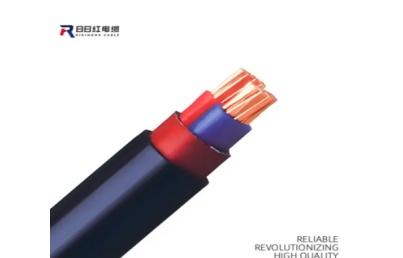
Flame retardant cables are not just about preventing fires—they offer broader system advantages that contribute to operational reliability and sustainability.
Low smoke and halogen-free designs protect occupants and equipment by minimizing visibility loss, corrosion, and toxicity during fire events. This makes them indispensable in public buildings, tunnels, hospitals, and transport systems.
Modern flame retardant formulations preserve or even enhance cable properties such as tensile strength, flexibility, and dielectric resistance. This ensures that safety does not come at the cost of performance.
With increasing emphasis on green manufacturing, HFFR cables meet stringent RoHS and REACH compliance standards. They are recyclable, produce minimal toxic waste, and align with sustainable infrastructure goals.
Flame retardant materials with superior thermal stability resist degradation under continuous load or heat stress. This leads to longer operational life, fewer maintenance interventions, and reduced total lifecycle costs.
The versatility of flame retardant cables makes them suitable for a wide range of industries and environments:
Application Area | Key Benefits |
Building & Construction | Reduced smoke and fire propagation; essential for high-occupancy spaces |
Transportation (Rail, Ship, EVs) | Low toxicity and high flexibility for confined environments |
Power Distribution Networks | Maintains circuit integrity during fire for continued power supply |
Data Centers & Telecommunications | Minimizes risk to sensitive equipment and improves uptime |
Industrial Automation | Withstands heat, oil, and chemical exposure while ensuring safety |
Each application has distinct performance requirements, and cable manufacturers now customize formulations to meet specific safety standards, voltage classes, and installation conditions.
Ensuring safety performance requires rigorous testing under standardized conditions. Leading flame retardant cable manufacturers conduct the following tests:
Vertical and horizontal flame tests (IEC 60332-1/3)
Smoke density measurement (IEC 61034)
Acid gas emission (IEC 60754)
Oxygen index and limiting oxygen index (LOI) tests
Temperature cycling and aging assessments
Advanced material characterization—such as thermogravimetric analysis (TGA) and cone calorimetry—helps engineers design formulations that perform reliably under real-world conditions.
The next generation of flame retardant cables will likely focus on smarter, lighter, and more sustainable materials. Some emerging research areas include:
Bio-based flame retardants, derived from renewable sources such as starch, lignin, or chitosan
Self-healing polymer systems, which can repair microcracks and maintain insulation performance after thermal exposure
Sensor-integrated cables, capable of detecting overheat or short-circuit risks before failure occurs
Recyclable composite systems, designed for circular economy manufacturing
By integrating digital monitoring and advanced materials, future flame retardant cables will play an even greater role in ensuring both fire safety and environmental responsibility.
Fire safety is an integral part of modern electrical design, and innovations in flame retardant cable materials are at the forefront of that mission. Through advances in halogen-free formulations, nanocomposites, intumescent systems, and eco-friendly phosphorus-based additives, today’s cables offer unparalleled safety without compromising performance or sustainability.
For engineers, builders, and system designers seeking reliable fire-safe cable solutions, exploring advanced material technologies is not just a safety measure—it’s a strategic investment in long-term resilience.
To learn more about high-quality flame retardant cables engineered for modern electrical systems, you can visit www.rrhcable.com — a trusted resource for innovative cable solutions built on safety, reliability, and performance.
